

Why Is My Cat Meowing So Much? Causes and What to Do
If your normally quiet cat has suddenly become a tiny, furry commentator, you may be wondering, why is my cat meowing so much? Cats meow for all sorts of reasons, from wanting dinner or attention to feeling unsettled, bored or unwell. The tricky part is working out which message your particular cat is trying to send.
A change in vocalisation deserves attention, especially if it happens suddenly or comes alongside changes in eating, drinking, toileting, sleeping or behaviour. Cats are good at hiding signs of illness, so unusual vocalising can sometimes be one of the first clues that something isn’t right. Cats Protection recommends speaking to a vet when a cat develops an out-of-character behaviour change so medical causes can be ruled out.
The good news? Once you look at the timing, surroundings and body language, your cat’s noisy little conversations can become much easier to understand.
Why Is My Cat Meowing So Much?
There isn’t one universal answer. Your cat may be meowing because they want something, feel stressed, have learned that meowing gets a response, or are experiencing a health problem.
Cats can use different vocalisations to communicate with people, and individual cats can develop their own ways of getting their owner’s attention. Looking at the whole situation, rather than the sound alone, is usually more helpful.
Common reasons include:
- Hunger or thirst
- Wanting attention
- Wanting to play
- Being shut out of a room
- Wanting access to the garden or another area
- Stress or anxiety
- Changes around the home
- Frustration
- Mating-related behaviour in an unneutered cat
- Pain or illness
- Age-related changes
A cat sitting beside an empty food bowl and meowing is giving you a rather obvious clue. A cat pacing around the house, crying at night and behaving differently is a different story.
Your Cat May Simply Be Asking for Something
Sometimes the explanation is wonderfully ordinary.
Your cat might meow because they want:
- Their breakfast
- Fresh water
- A clean litter tray
- A door opened
- A favourite toy
- A cuddle
- Playtime
- Access to a window
- Your attention
If you’ve previously responded to a particular meow by feeding, opening a door or giving attention, your cat may learn that the sound works.
That doesn’t mean your cat is being “naughty”. They’re simply learning which behaviour gets a result.
Read also: Understanding Cat Body Language
Some Cats Are Naturally More Vocal
Individual cats vary enormously.
Some barely make a sound unless dinner is late. Others seem to have a running commentary on everything from the weather to the state of their food bowl.
Breed can also play a part. Cats Protection notes that some breeds, including Siamese cats, can be naturally more vocal.
So a chatty cat isn’t automatically an unhappy cat. What matters most is whether the vocalising is normal for that individual cat or represents a noticeable change.
Why Is My Cat Meowing So Much All of a Sudden?
If you’re asking why is my cat meowing so much all of a sudden, pay closer attention.
A sudden change in behaviour can be caused by stress, fear or illness. Cats Protection recommends contacting your vet when your cat starts behaving unusually, as medical problems can sometimes appear as behavioural changes.
Think about what else has changed.
Has your cat:
- Started eating less or more?
- Changed how much they drink?
- Lost or gained weight?
- Started hiding?
- Become restless?
- Changed their litter tray habits?
- Started grooming differently?
- Become less interested in play?
- Become unusually clingy?
- Started pacing?
- Shown signs of pain or discomfort?
A single extra meow isn’t necessarily concerning. A persistent change combined with other symptoms deserves more attention.
Pain Can Sometimes Look Like “Strange Behaviour”
Cats don’t always show pain in an obvious way.
Instead of limping or crying continuously, a cat may become quieter, hide, change their routine — or become more vocal.
Cats Protection explains that cats are good at hiding pain and that small changes in behaviour or mood can sometimes be clues.
If your cat’s vocalisation is unusual for them, particularly if it seems distressed, contact your vet rather than assuming it’s simply attention-seeking.
Why Is My Cat Meowing So Much at Night?
The question why is my cat meowing so much all of a sudden at night is particularly familiar to sleep-deprived cat owners.
Cats are naturally most active around dawn and dusk. Young cats can also have plenty of energy at these times, and some may become active while the household is trying to sleep. Cats Protection recommends interactive play during the day and into the early evening as one way of helping reduce nighttime activity.
Other possible reasons include:
- Wanting attention
- Hunger
- Boredom
- Seeing or hearing something outside
- Anxiety
- Changes in routine
- Medical problems
Older cats that suddenly become restless and vocal at night deserve particular attention. Excessive nighttime vocalisation can sometimes be associated with medical conditions such as hyperthyroidism, high blood pressure or cognitive dysfunction.
How to Make Nights More Peaceful
Try creating a predictable evening routine.
You could:
- Give your cat an interactive play session earlier in the evening.
- Offer their normal evening meal at the appropriate time.
- Make sure fresh water is available.
- Keep the litter tray clean and accessible.
- Provide comfortable sleeping and hiding areas.
- Reduce frightening or disruptive noises where possible.
- Make sure your cat has suitable enrichment during the day.
Avoid turning every nighttime meow into an immediate reward if you’ve established that habit. Getting up at 3am to provide snacks can teach a clever cat that 3am is, in fact, an excellent time to order room service.
However, don’t ignore a sudden or distressed change in nighttime vocalisation simply because it happens after dark. Medical causes should be considered first when the behaviour is new.
Why Is My Cat Meowing So Much After I Came Back From Vacation?
If you’re wondering why is my cat meowing so much after I came back from vacation, a change in routine may be part of the explanation.
Your absence can mean changes to:
- Feeding times
- Human interaction
- Household sounds
- Daily routines
- Who enters the home
- Sleeping arrangements
- General attention
Some cats may become more vocal when their normal routine changes or when their owner returns.
Your cat may also simply have a lot to say about your extended absence. Cats don’t exactly provide exit interviews, so you’ll never know whether that dramatic greeting means “I’ve missed you” or “Your service was unacceptable.”
Helping Your Cat Settle After Your Return
Keep things predictable.
Return to their normal:
- Feeding schedule
- Play routine
- Sleeping arrangements
- Litter routine
- Quiet spaces
- Daily interactions
Give your cat attention without overwhelming them. Some cats want a cuddle immediately; others prefer to observe you from across the room before deciding whether you’ve earned forgiveness.
If the increased vocalisation persists or your cat shows other changes, speak to your vet.
Why Is My Cat Meowing So Much at the Door?
If your cat repeatedly cries at a door, they’re probably trying to communicate something about what is on the other side.
They may want:
- Access to another room
- Access to the garden
- To investigate a sound
- To reach another pet or person
- To follow you
- To explore
Cats are naturally curious, and restricting access to a previously available area can be frustrating.
However, if your cat suddenly becomes obsessed with a particular door, consider what has changed. There could be another cat outside, unfamiliar noises or smells, construction work, visitors or something else attracting their attention.
Should You Open the Door Every Time?
Not necessarily.
If the door leads somewhere unsafe, don’t open it simply because your cat is vocalising.
Instead, look for a safe alternative. Provide enrichment elsewhere, such as interactive play, a comfortable observation spot or suitable toys.
Never punish your cat for meowing. Cats Protection advises against punishment because it can increase stress rather than solve the underlying problem.
Why Is My Cat Meowing So Much After Moving?
Moving house can be a major change for a cat.
The familiar smells, sounds, rooms and territory disappear almost overnight. Your cat may respond by hiding, becoming restless, vocalising more or behaving differently.
PDSA lists increased meowing and sudden behavioural changes among possible signs of stress in cats. It also emphasises that similar signs can occur with medical problems, so sudden changes should be discussed with a vet.
How to Help a Cat After Moving House
Give your cat time to adjust.
Start with a quiet, secure area containing:
- Food
- Fresh water
- A litter tray
- A comfortable bed
- Familiar-smelling bedding
- Hiding places
- Appropriate toys
- Scratching opportunities
Let your cat explore gradually rather than expecting them to investigate the entire house immediately.
Familiar scents can be particularly reassuring. Cats Protection recommends familiar blankets and other familiar items when travelling with cats, and the same principle can be useful when helping a cat cope with unfamiliar surroundings.
Read also: Moving House With a Cat Guide
How to Work Out What Your Cat Is Trying to Tell You
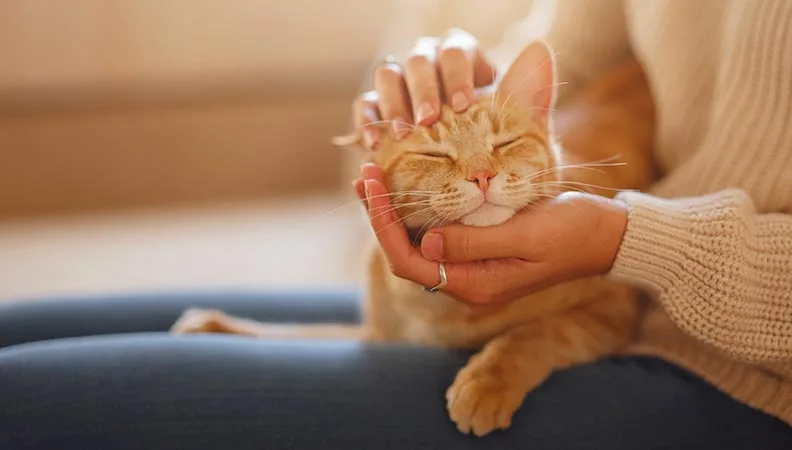
Don’t listen to the meow in isolation.
Look at your cat’s body language and circumstances.
Check Their Body Language
A relaxed cat may have a loose body, relaxed ears and a generally comfortable posture.
A worried cat may have:
- Ears turned sideways or backwards
- Wide pupils
- A crouched posture
- Increased hiding
- Restlessness
- Avoidance
Cats Protection notes that ears and pupils can provide useful clues about how a cat is feeling.
Keep a Simple Behaviour Diary
If the vocalising is happening frequently, write down:
- What time it happens
- Where your cat is
- What happened immediately beforehand
- Whether food is involved
- Whether the litter tray has been used
- Whether your cat seems relaxed or distressed
- How long the episode lasts
- Any other changes you’ve noticed
You can even record a short video.
Cats Protection specifically suggests taking a video of unusual vocalisation if you’re concerned, as this can be useful when discussing the behaviour with your vet.
What Should You Do If Your Cat Keeps Meowing?
Start with the basics, then look for patterns.
Step-by-Step Guidance
1. Check the essentials.
Make sure food, water and the litter tray are available and appropriate.
2. Look around the home.
Is another animal outside? Has furniture moved? Are there unusual noises?
3. Consider recent changes.
Think about holidays, visitors, moving house, new pets or changes to your routine.
4. Give suitable enrichment.
Play, exploration and safe opportunities to express normal feline behaviours can help.
5. Watch for other symptoms.
Changes in appetite, drinking, toileting, grooming, weight or energy are worth noting.
6. Speak to your vet if the change is sudden, persistent or concerning.
Common Mistakes to Avoid
Don’t punish your cat.
Yelling or frightening them won’t explain what they’re trying to communicate and can increase stress.
Don’t assume every meow means hunger.
Your cat could be seeking attention, responding to something in the environment or experiencing discomfort.
Don’t diagnose from behaviour alone.
A meow cannot tell you whether your cat has a particular illness.
Don’t ignore a major behaviour change.
Especially in older cats or when other symptoms are present.
When Should You Call the Vet?
A sudden increase in vocalising deserves more attention when it is accompanied by other changes.
Contact your vet if your cat:
- Appears to be in pain
- Is unusually weak or dull
- Has difficulty breathing
- Has difficulty urinating or defecating
- Is repeatedly vomiting
- Stops eating
- Shows a major change in behaviour
- Becomes unusually restless or distressed
- Has a sudden and unexplained change in vocalisation
Cats Protection recommends veterinary advice when a cat displays an out-of-character behaviour change, while its first-aid guidance advises immediate veterinary contact for signs such as weakness, breathing difficulty, apparent pain or difficulty passing urine or faeces.
If you’re unsure whether the situation is urgent, call your veterinary practice and explain what you’ve noticed.
Read also: Signs Your Cat Needs a Vet
Important Considerations for UK Cat Owners
Your cat’s environment can have a big influence on behaviour.
For indoor cats especially, make sure they have suitable opportunities for play, exploration, scratching, resting and hiding. Cats Protection notes that providing appropriate resources and understanding normal feline behaviour can help with behaviour problems.
If your cat spends time outdoors, vocalisation at doors may also be connected with wanting access outside or responding to other cats.
And if you’re dealing with a persistent behaviour problem after medical causes have been ruled out, a qualified cat behaviourist can help identify triggers and develop a tailored plan. Cats Protection recommends seeking behaviourist support when owners are struggling to resolve behaviour problems.
Final Thoughts
So, why is my cat meowing so much? Sometimes the answer is simple: dinner is late, a door is closed or your cat has decided that you are currently the most interesting object in the house.
But a sudden or persistent change deserves a closer look. Pay attention to timing, body language, recent changes and any physical symptoms. Stress can cause increased vocalisation, but illness and pain can sometimes show up through behaviour too.
If your cat’s meowing is dramatically different from normal, particularly if they’re distressed or showing other symptoms, speak to your vet. And if health problems have been ruled out, patience, routine, enrichment and professional behaviour advice can help.
Sometimes your cat really is just talking to you. The trick is learning when they’re saying, “Feed me,” and when they’re saying, “Something isn’t right.
Key takeaways
- * **Cats meow for many reasons**, including hunger, attention, boredom, frustration, stress, environmental changes and wanting access to somewhere.
- * **A sudden increase in meowing shouldn't be ignored**, especially if your cat is normally quiet.
- * **Night-time meowing** can be linked to natural activity patterns, boredom, attention-seeking, hunger, stress or underlying health problems.
- * **After a holiday**, your cat may become more vocal because their routine changed while you were away.
- * **After moving house**, increased meowing can be a sign that your cat is unsettled by unfamiliar smells, sounds and surroundings.
- * **Meowing at a door** may simply mean your cat wants access to the other side, but investigate if the behaviour suddenly appears or becomes intense.
- * **Look at body language and other symptoms**, including changes in appetite, drinking, toileting, grooming, energy or behaviour.
- * **Never punish a cat for meowing.** Try to understand what they are communicating and address the underlying cause.
- * **Older cats with new or excessive vocalisation** should receive particular attention, as health or age-related changes can sometimes affect behaviour.
- * **Contact your vet if the vocalisation is sudden, persistent or accompanied by worrying symptoms**, particularly signs of pain, weakness, breathing difficulty or difficulty urinating.
Frequently asked questions
A sudden increase in meowing can have behavioural or medical causes. Changes in routine, stress, hunger, attention-seeking and environmental changes are possibilities, but pain or illness should also be considered. If the change is unusual for your cat, contact your vet for advice.
Cats are naturally active around dawn and dusk, and young cats may be particularly energetic at these times. Hunger, attention-seeking, boredom, stress and medical problems can also cause nighttime vocalisation. Sudden or excessive nighttime crying should be discussed with a vet, particularly in older cats.
Your absence may have disrupted your cat's normal routine, and your return can bring another change. Try returning to a predictable feeding, play and sleep routine. If the vocalising persists or comes with other behavioural or physical changes, speak to your vet.
Your cat may want access to the other side, be responding to another animal or simply be curious. Check whether anything unusual is happening outside or behind the door. If the behaviour is sudden and intense, consider whether stress or a health issue could be contributing.
Moving can be stressful because cats lose familiar smells, sounds and territory. Give your cat a quiet base area with familiar belongings, food, water, a litter tray and safe hiding places. Gradually allow exploration as they become comfortable.
Not automatically. First work out why your cat is meowing. Ignoring a cat that is genuinely distressed or unwell isn't appropriate. If the behaviour has been assessed as attention-seeking, your vet or a qualified behaviourist can help you develop a consistent approach.