
Siamese Cat Guide: Personality, Colours, Care & UK Buying Tips
Thinking about bringing a Siamese cat into your home? These elegant cats are famous for their striking blue eyes, pointed colouring and very distinctive voices. But there is considerably more to them than good looks. Siamese cats are intelligent, social and often wonderfully demanding companions — the sort that may happily supervise your breakfast, inspect your shopping bags and then complain because you closed a door.
Before looking for a Siamese cat for sale, it is worth understanding the breed’s personality, history, appearance and everyday needs. Their social nature means they can thrive with owners who have plenty of time for interaction, while their intelligence means boredom can quickly become a problem.
This guide explores the Siamese cat origin, colour patterns, pronunciation, care requirements and what UK owners should consider before choosing one.
Understanding the Siamese Cat
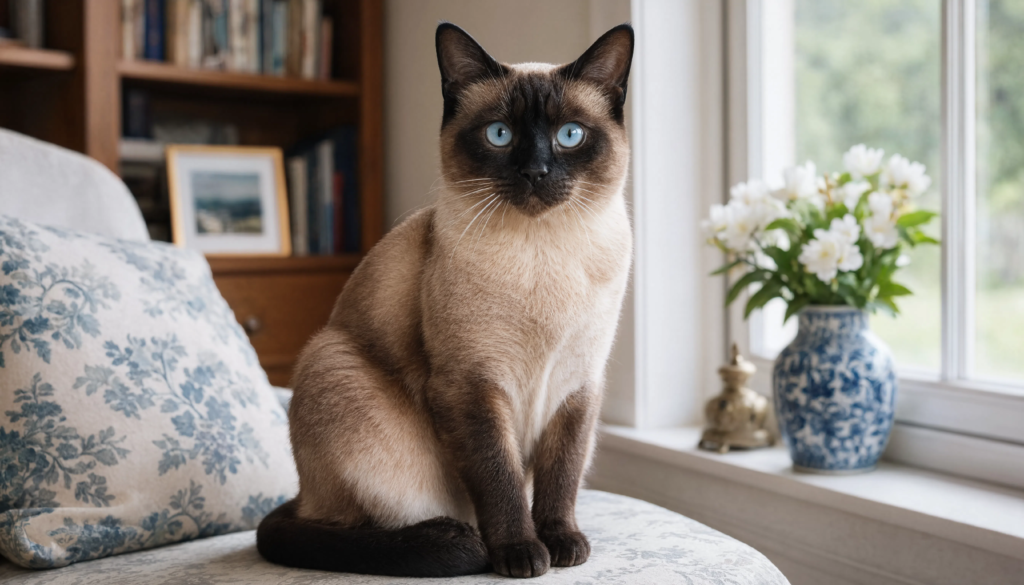
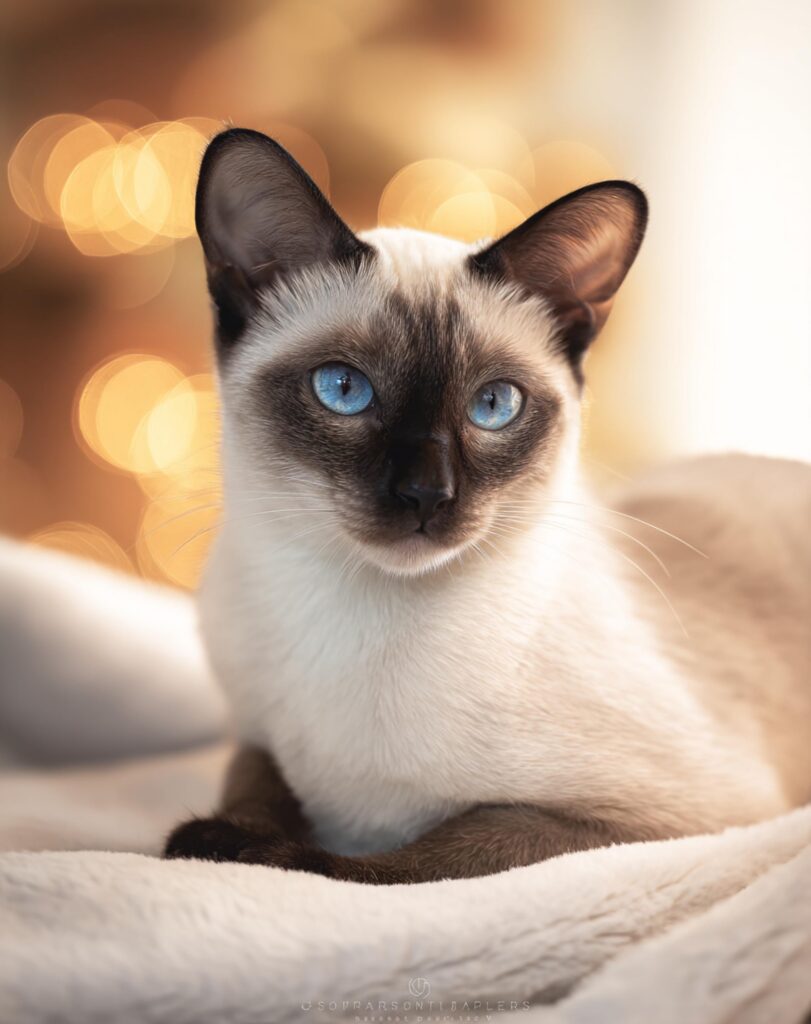
The Siamese is one of the world’s best-known pedigreed cat breeds. It is recognised for its slender body, long lines, wedge-shaped head, large ears and vivid blue eyes.
Modern Siamese cats are generally fine-boned and athletic, although the breed’s appearance has changed over time. Older photographs and traditional examples can look noticeably different from the very slender modern show type.
Despite their glamorous appearance, Siamese cats are not simply decorative pets. They tend to be active, curious and highly involved in household life.
Siamese cat personality
A Siamese can be an excellent companion for someone who enjoys an interactive pet.
Many are:
- Sociable
- Intelligent
- Curious
- Vocal
- Playful
- Affectionate
- Energetic
- Very interested in what their humans are doing
Their reputation for being vocal is well deserved. Individual cats vary, but Siamese cats can be quite expressive and may use a surprisingly broad range of sounds to communicate.
If you prefer a cat that quietly disappears for most of the day, this may not be your ideal match.
Do Siamese cats need lots of attention?
They generally benefit from regular interaction and mental stimulation.
A Siamese left alone for long periods with nothing to do may become bored. Puzzle feeders, interactive toys, climbing opportunities and daily play can help keep their minds occupied.
A cat tree can be particularly useful because it provides opportunities for climbing, scratching and observing the room from above.
Read also: Cat Tree Buying Guide
Siamese Cat Origin: Where Did the Breed Come From?
The Siamese cat origin can be traced to Siam, now known as Thailand.
The cats were historically associated with Thailand and were described in old Thai manuscripts. They became known in Britain and other Western countries during the late nineteenth century, when Siamese cats began appearing at cat shows and entering breeding programmes.
Their development as a recognised breed in the West eventually produced the distinctive appearance associated with the modern Siamese.
Thailand remains important to the breed’s history. The traditional cats found there are often described in modern breeding circles as Thai cats, reflecting differences between the traditional type and the modern show Siamese.
Siamese Cat Breeds and Types Explained
People sometimes search for Siamese cat breeds, but Siamese is itself a breed rather than a collection of separate breeds.
The confusion comes partly from the variety of related cats and colour patterns associated with Siamese breeding.
Traditional and modern appearances
You may encounter terms such as:
- Traditional Siamese
- Old-style Siamese
- Thai cat
- Modern Siamese
These terms can be used differently by different breeders and organisations, so it is sensible to look at the cat’s actual pedigree and the registering organisation rather than relying only on a label.
The modern Siamese generally has a long, slender body, long legs, large ears and a wedge-shaped head.
The traditional type is usually more rounded and substantial in appearance.
Neither should automatically be considered “better”. They represent different breeding histories and preferences.
Colour-pointed relatives
Siamese colouring is known as colourpoint or pointed colouring.
The cat’s body is typically lighter, while the ears, face, legs, tail and paws are darker.
Similar colourpoint patterns can also occur in related breeds, including Balinese and Oriental Shorthair cats.
Siamese Cat Colour Change: Why Does It Happen?
One of the most fascinating features of a Siamese cat colour change is that temperature affects its coat pigmentation.
Siamese cats have a temperature-sensitive form of albinism. The enzyme involved in producing pigment works differently depending on temperature.
The warmer parts of the body tend to remain lighter, while cooler areas develop darker colour.
This explains why the ears, face, paws and tail are darker than the central body.
Why do Siamese kittens look different?
Siamese kittens are generally born much lighter because they have been kept warm inside their mother.
As they grow and their extremities become cooler, the darker points gradually become more visible.
This means a young kitten can look considerably paler than the adult it eventually becomes.
Can a Siamese cat get darker with age?
Yes, their coat can become darker as they mature.
Age, temperature and individual genetics can influence the intensity of the colourpoint pattern.
You may notice more noticeable colour on the body during colder periods, although the precise appearance varies from cat to cat.
It is one of those unusual feline features that makes Siamese cats especially recognisable.
Siamese Cat Pronunciation: How Do You Say It?
The usual Siamese cat pronunciation is:
“sigh-uh-meez”
The word comes from “Siam”, the former name for Thailand, combined with the suffix “-ese”.
So if you have been wondering whether it is pronounced “see-a-meez”, you are not alone. English pronunciation can be surprisingly mischievous.
Siamese Cat Care: What Do Owners Need to Know?
Siamese cats generally have relatively low-maintenance coats, but their care requirements go beyond brushing.
Grooming
Their short coat typically needs only light grooming.
A gentle brush can help remove loose hairs and provides an opportunity to check the skin and coat.
Regular grooming can also help your cat become comfortable with being handled.
Exercise and enrichment
Siamese cats are often active and inquisitive.
Provide a mixture of:
- Wand toys
- Puzzle feeders
- Scratching posts
- Cat trees
- Interactive games
- Safe climbing areas
- Rotating toys
You do not need to buy every gadget in the pet shop. A few well-chosen toys and regular interaction can be more useful than a mountain of objects your cat ignores.
Companionship
Their social nature means companionship can be particularly important.
Some Siamese cats enjoy living with another compatible cat, while others prefer being the only feline in the household.
There is no universal rule. Personality and individual compatibility matter.
Read also: Indoor Cat Enrichment Guide
Feeding a Siamese Cat
A Siamese cat needs a nutritionally complete diet appropriate for its age and individual circumstances.
Whether you choose wet food, dry food or a combination, check that the product is intended to provide complete nutrition rather than simply being a complementary food.
Fresh drinking water should always be available.
Portion sizes should be appropriate for the individual cat rather than based solely on breed.
If your cat’s weight, appetite or eating habits change unexpectedly, speak to your vet.
Siamese Cat Health Considerations
Like all breeds, Siamese cats can have inherited health concerns.
Some conditions have been reported more frequently in Siamese and related breeds, including certain eye and respiratory issues and other inherited disorders. The exact risks vary between breeding lines.
This is one reason responsible breeding matters.
A reputable breeder should be willing to discuss:
- The parents’ health
- Pedigree
- Relevant health screening
- Vaccination
- Microchipping
- Socialisation
- Veterinary records
A breeder should also be comfortable answering your questions rather than rushing you into a sale.
If you are concerned about a symptom in your cat, seek advice from a qualified veterinary professional rather than trying to identify a condition from internet descriptions.
Siamese Cat for Sale: What Should UK Buyers Check?
Searching for a Siamese cat for sale can produce everything from established breeders to private adverts.
This is an area where taking your time really matters.
Look beyond the photograph
A beautiful kitten photograph tells you almost nothing about how responsibly the kitten was bred.
Ask about:
- The kitten’s parents
- Where the kittens are raised
- Veterinary care
- Vaccinations
- Microchipping
- Pedigree registration
- Health testing relevant to the breeding line
- Socialisation
- The kitten’s age when it leaves its mother
A responsible breeder should normally be willing to show you where the kittens are raised and let you see the mother where appropriate.
Be cautious about pressure
Be wary if someone:
- Wants a deposit immediately without answering questions
- Refuses to show the kitten’s living environment
- Offers several unrelated breeds from the same location
- Has no veterinary paperwork
- Wants to arrange an unusual handover
- Provides vague information about the kitten’s parents
If something feels rushed or secretive, step back.
A kitten is a long-term commitment, not an impulse purchase.
Siamese Cats and UK Pet Ownership
UK owners should make sure their cat’s basic welfare needs are covered, including appropriate veterinary care, identification and preventive healthcare.
Microchipping is an important part of responsible cat ownership, and owners should keep their contact details up to date if they move house or change telephone numbers.
If you are buying a pedigree kitten, ask which recognised registration organisation the breeder uses and request documentation rather than simply taking a verbal claim of pedigree status.
It is also worth budgeting for:
- Food
- Routine veterinary care
- Vaccinations
- Parasite control where appropriate
- Insurance or an emergency fund
- Litter
- Scratching equipment
- Toys and enrichment
- Unexpected veterinary treatment
The purchase price is only the beginning of the financial commitment.
Common Siamese Cat Mistakes to Avoid
Assuming every Siamese is the same
Breed traits can give you useful clues, but individual cats have individual personalities.
One Siamese may be constantly chatting while another is comparatively quiet.
Underestimating their intelligence
A bored Siamese can become inventive.
And “inventive” sometimes means opening cupboards, investigating shelves or finding the one object in your home they were specifically told not to touch.
Provide suitable enrichment instead.
Choosing a kitten purely on appearance
Temperament, health, breeding practices and early socialisation deserve just as much attention as coat colour or eye shape.
Ignoring the importance of companionship
If you work long hours, consider how your cat will spend that time alone. Enrichment can help, but every household needs to consider whether its routine suits the individual animal.
Final Thoughts
A Siamese cat brings plenty of personality into a home. Their elegant appearance may attract attention first, but it is their intelligence, sociability and distinctive communication that often make them such memorable companions.
Understanding the Siamese cat origin, colour-pointing and temperament can help you decide whether the breed fits your lifestyle. If you are searching for a Siamese cat for sale, put responsible breeding, health and temperament ahead of appearance or bargain prices.
For the right household, a Siamese can be a lively, affectionate and entertaining companion — just be prepared for the possibility that your new cat will have opinions about absolutely everything.
Key takeaways
- * The **Siamese cat** is an intelligent, social and highly interactive breed known for its blue eyes, pointed coat and distinctive voice.
- * The **Siamese cat origin** can be traced to Siam, now known as Thailand, before the breed became established in Britain and other Western countries.
- * Siamese cats are often **vocal and affectionate**, so they may suit owners who enjoy an involved, communicative companion.
- * Their temperature-sensitive pigmentation explains the fascinating **Siamese cat colour change**, with cooler body areas developing darker points.
- * The usual **Siamese cat pronunciation** is “sigh-uh-meez”.
- * Siamese cats generally have short, relatively easy-care coats but need plenty of **play, climbing opportunities and mental stimulation**.
- * A suitable diet should provide complete nutrition, with portions matched to the individual cat's needs.
- * Prospective owners searching for a **Siamese cat for sale** should prioritise responsible breeding, health records, socialisation and appropriate veterinary care.
- * Avoid choosing a kitten based purely on appearance or a low price; ask about the parents, living conditions, pedigree and relevant health screening.
- * Individual Siamese cats can have different personalities, so breed characteristics should be treated as general tendencies rather than guarantees.
- * UK owners should budget for ongoing costs such as **food, litter, veterinary care, vaccinations, insurance or emergency savings and enrichment**.
- * **Bottom line:** a Siamese can be a fantastic family companion, but its active, intelligent and sociable nature means it needs attention and engagement rather than simply food and a comfy bed.
Frequently asked questions
Siamese is usually pronounced “sigh-uh-meez” in English.
The breed originates from Siam, now known as Thailand. Siamese cats were later introduced to Britain and other Western countries and became established as a recognised pedigree breed.
iamese cats have temperature-sensitive pigmentation. Warmer parts of the body tend to remain lighter, while cooler areas such as the ears, paws, face and tail develop darker colouring.
They can make wonderful companions for owners who enjoy an affectionate, active and interactive cat. Their social and vocal nature may not suit households looking for an especially quiet or independent pet.
There is no single reliable price because costs vary by breeder, pedigree, location, registration, health screening and other factors. Avoid choosing a kitten purely because it is cheap. Responsible breeding and appropriate veterinary care should be priorities.
Look for reputable breeders and established rescue organisations. Ask detailed questions about health, pedigree, socialisation and the kitten's living conditions before committing to a purchase.