

Raw Dog Food: A Practical UK Guide to Feeding Raw Safely
Wondering if raw dog food is actually a good choice for your dog? You are certainly not alone. Raw feeding has become a popular topic among UK dog owners, with everything from frozen mince-and-bone meals to convenient freeze dried raw dog food now available. But “natural” does not automatically mean nutritionally complete or risk-free.
The real question is not simply whether dogs can eat raw food. It is whether the particular diet is properly formulated, suitable for your dog and handled safely at home. There are also some important hygiene concerns that are easy to overlook, particularly in households with children, older people or anyone with a weakened immune system. Current UK Food Standards Agency (FSA) research has highlighted bacterial risks associated with raw pet food, making sensible handling especially important.
Here is what UK owners should know before filling the freezer.
What Is Raw Dog Food?
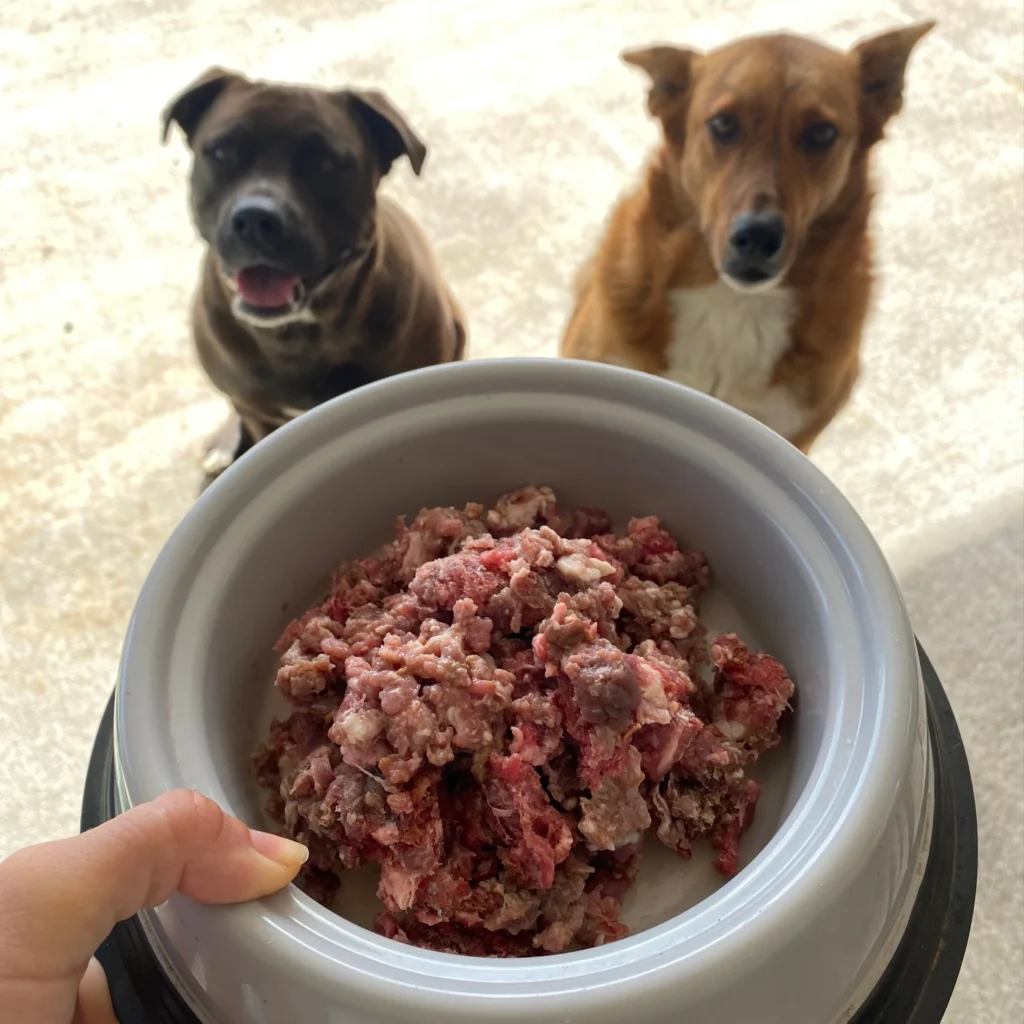
Raw dog food is pet food made using uncooked ingredients. Depending on the product, this can include raw meat, offal, bone and other ingredients intended to provide a complete canine diet.
Some owners choose commercial raw food because they prefer the idea of feeding minimally processed ingredients. Others are attracted by the convenience of ready-portioned frozen meals.
Raw feeding is not one single diet, though. There can be a huge difference between a commercially prepared complete food and a bowl of homemade raw meat assembled without professional nutritional guidance.
Commercial raw food vs homemade diets
Commercial products may be formulated to meet recognised nutritional requirements, whereas homemade recipes need careful balancing.
A dog requires more than protein and calories. Its diet also needs appropriate amounts of essential nutrients, including vitamins, minerals and fatty acids.
This is why simply combining mince, chicken wings and vegetables is not necessarily a complete diet.
The British Small Animal Veterinary Association (BSAVA) notes that nutritional requirements vary according to factors including species, size, life stage, activity and disease status.
What does “complete” mean?
If a commercial food is labelled as complete, it is intended to provide all the nutrients a dog needs when fed according to the manufacturer’s instructions.
A product labelled complementary is different. It is intended to form only part of the diet.
Checking this distinction is one of the simplest things you can do when comparing raw foods.
Read also: Complete Dog Nutrition Guide
Is a Raw Dog Food Diet Healthy?
This is where things become less black and white.
Some dogs are successfully fed commercial raw diets, but there is not enough justification for saying that raw food is automatically healthier than a properly formulated cooked or dry diet.
The nutritional quality of the individual food matters far more than the marketing label.
A sensible assessment should consider:
- Whether the food is complete
- Your dog’s age and life stage
- Body weight and condition
- Activity level
- Existing health problems
- Ingredient suitability
- Safe storage and preparation
- Whether the diet is practical for your household
If your dog has a diagnosed medical condition, is pregnant, is very young or elderly, or has particular nutritional requirements, speak with your vet before changing its diet.
Raw Dog Food Safety: The Part You Shouldn’t Ignore
Raw food comes with a specific food-safety issue: it has not undergone cooking that would kill many harmful microorganisms.
The FSA’s UK research has found pathogenic bacteria in raw dog and cat food sold at retail, including Salmonella, Campylobacter and Shiga toxin-producing E. coli (STEC). The agency also identified antimicrobial-resistant bacteria in some samples.
That does not mean every packet of raw food will make a dog ill. It does mean owners should treat raw pet food as a product requiring careful handling.
Why is cross-contamination a concern?
Bacteria can potentially spread from raw food to:
- Kitchen surfaces
- Hands
- Feeding bowls
- Utensils
- Other food
- Floors
- Household objects
Dogs can also potentially carry and shed bacteria after eating contaminated raw food, sometimes without obvious signs of illness.
This is particularly relevant if your household includes young children, elderly people or someone who is immunocompromised.
The BSAVA recommends strict hygiene measures when raw meat-based diets are fed.
How to Handle Raw Dog Food Safely
If you decide to use a commercial raw diet, good kitchen habits are essential.
Step-by-step handling
- Store raw food separately from food intended for people.
- Follow the manufacturer’s refrigeration and freezing instructions.
- Defrost food safely rather than leaving it sitting around at room temperature.
- Wash your hands thoroughly after handling it.
- Clean bowls and utensils after feeding.
- Disinfect food-preparation surfaces appropriately.
- Keep raw food and its packaging away from ready-to-eat human food.
- Follow the product’s use-by or best-before instructions.
The FSA specifically advises storing raw pet food separately from food intended for human consumption and taking care during defrosting to prevent cross-contamination.
Don’t forget the feeding bowl
The bowl is part of the food-preparation area.
Wash it thoroughly after meals rather than allowing dried leftovers to build up. This is especially important when feeding raw meat.
It is also sensible to keep raw-food bowls and utensils separate from those used for human food.
What Is Freeze Dried Raw Dog Food?
Freeze dried raw dog food is made from raw ingredients that undergo freeze-drying, a process designed to remove much of the water while preserving the product in a shelf-stable form.
It can be appealing to owners who want the convenience of a lightweight product without keeping large quantities of frozen food in the freezer.
However, “freeze dried” should not be interpreted as meaning “free from bacteria”.
Freeze-drying is not the same as cooking. Depending on the manufacturing process, raw ingredients can still present microbiological risks.
Always follow the manufacturer’s instructions for storage, preparation and serving.
Is freeze-dried food easier to store?
Usually, the main attraction is convenience.
Instead of filling half the freezer with raw food tubs, owners can keep an appropriately stored freeze-dried product in the cupboard until needed.
But read the label carefully. Some freeze-dried products are complete diets, while others are complementary foods or intended as toppers.
How to Choose a Raw Dog Food Company
Searching for a raw dog food company will bring up plenty of choices, so it helps to compare products systematically.
Look for clear information about:
- Whether the food is complete or complementary
- The intended life stage
- Feeding guidelines
- Ingredients
- Storage instructions
- Manufacturer contact details
- Batch or product identification
- Handling instructions
- Appropriate nutritional information
A company that makes its nutritional and safety information easy to find is generally easier for an owner to assess.
Do not rely solely on phrases such as “natural”, “ancestral”, “premium” or “biologically appropriate”. These are not substitutes for checking whether the food actually meets your dog’s nutritional needs.
Raw Dog Food Recipes: Should You Make Your Own?
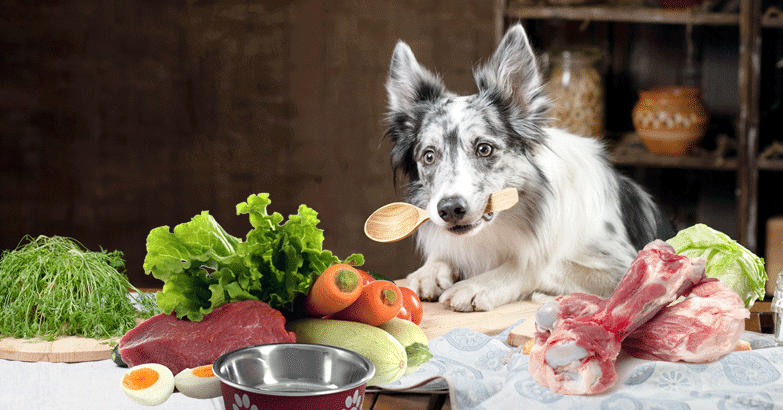
Homemade raw dog food recipes can look wonderfully simple online.
A typical recipe might appear to involve meat, bone, organs and vegetables. The problem is that getting the nutritional balance right is considerably more complicated than assembling a few ingredients.
For example, simply feeding meat does not provide a complete diet. Excesses or deficiencies of particular nutrients can cause problems over time.
The FSA has previously highlighted concerns about nutritional deficiencies and health risks associated with preparing raw diets at home without appropriate guidance.
If you want to prepare food yourself
Speak to a veterinary professional with appropriate nutrition expertise before making a homemade diet the main food your dog receives.
This is especially important for puppies, whose nutritional needs change as they grow.
Avoid copying a random recipe from social media and assuming that because another dog eats it, yours will thrive on it too.
How Much Raw Food Should a Dog Eat?
There is no single percentage that works for every dog.
Feeding requirements depend on factors such as:
- Body size
- Age
- Activity
- Current weight
- Body condition
- Neutering status
- Health
- Energy density of the food
Commercial raw foods should come with feeding guidance. Use this as a starting point rather than assuming every dog needs exactly the same quantity.
Monitor your dog’s body condition rather than obsessing over a single number.
If your dog is gaining or losing weight unexpectedly, ask your vet for advice.
Read also: Healthy Dog Weight Guide
Raw Dog Food for Puppies
Puppies deserve extra caution.
Growing dogs have different nutritional requirements from adult dogs, and an improperly balanced diet can interfere with healthy development.
If you are considering a raw diet for a puppy, choose a product specifically formulated for the puppy’s life stage and discuss the decision with your vet.
Don’t assume that an adult raw food is suitable simply because the ingredients look wholesome.
Raw Feeding for Older Dogs
Older dogs can have changing nutritional needs too.
Some develop medical conditions that affect what they should eat. Kidney disease, gastrointestinal problems and other conditions may require specific dietary management.
If your older dog has a health condition, dietary changes should be discussed with your veterinary practice.
Raw food is not a treatment for disease.
Raw Dog Food Near Me: How to Find It
Searching for raw dog food near me is useful if you want to avoid delivery or need food quickly.
Local options may include:
- Independent pet shops
- Specialist raw-food retailers
- Farm shops
- Pet-food delivery businesses
- Some larger pet retailers
Before buying, check whether the product is complete, how it must be stored and whether the retailer maintains suitable refrigeration or freezing conditions.
A bargain is not a bargain if the product has been poorly stored.
What about raw dog food Gloucester?
If you are searching specifically for raw dog food Gloucester, the same principles apply.
Compare local suppliers based on product quality, nutritional information, storage standards and convenience rather than simply choosing the nearest shop.
If you buy frozen raw food, make sure you can transport it home without allowing it to thaw excessively.
A cool bag or suitable insulated carrier can be useful for longer journeys.
Common Raw Feeding Mistakes to Avoid
Feeding only meat
Meat alone is not necessarily a complete diet.
Dogs require a balanced intake of essential nutrients, not simply a large serving of protein.
Assuming bones are automatically safe
Bones can carry risks, including dental injury, choking and gastrointestinal problems. The suitability of bones varies according to the dog and the particular product.
Never assume that “raw” automatically means “safe”.
Ignoring hygiene
This is one of the biggest mistakes.
Raw food should be handled with the same seriousness you would give raw meat intended for human consumption.
Making sudden dietary changes
Changing food abruptly can cause digestive upset in some dogs.
Introduce a new diet carefully and follow the manufacturer’s transition guidance where provided.
Believing marketing claims without checking the label
Words such as “natural” and “species appropriate” can sound reassuring, but they don’t tell you whether a food is nutritionally complete.
Read the actual product information.
Important Considerations for UK Dog Owners
Raw feeding requires a little more planning than simply opening a tin or pouring kibble into a bowl.
You’ll need suitable freezer or refrigerator space, appropriate cleaning supplies and a sensible routine for preparation.
More importantly, consider everyone living in your home.
The FSA’s current research shows that raw pet food can carry pathogens capable of causing illness and that antimicrobial-resistant bacteria can also be present.
If someone in your household is particularly vulnerable to foodborne infection, seek medical advice before introducing a raw diet. BSAVA specifically highlights the need for additional caution in households with children or immunocompromised adults.
For dogs with health problems, veterinary advice should come before dietary experimentation.
Final Thoughts
Raw dog food can be part of a carefully planned feeding routine, but it should not be chosen simply because it sounds more natural. Nutritional balance and food safety matter just as much as the ingredient list.
For UK owners, the microbiological risks deserve particular attention. Current FSA research has found potentially harmful bacteria and antimicrobial-resistant organisms in raw pet food sold at retail, reinforcing the importance of careful storage, defrosting, preparation and hygiene.
If you decide raw feeding is right for your dog, choose a nutritionally appropriate product, follow the manufacturer’s instructions and keep raw food completely separate from human food.
And if you’re considering homemade raw dog food recipes, don’t guess at the nutritional balance. A conversation with your vet or an appropriately qualified veterinary nutrition professional is a much safer starting point.
Key takeaways
- * **Raw dog food can be suitable for some dogs**, but it is not automatically better than a good-quality cooked or dry diet.
- * Look for food labelled **complete and balanced** if it will be your dog's main diet.
- * Raw meat can carry harmful bacteria, so **safe handling and hygiene are essential**.
- * Keep raw food away from human food and clean hands, bowls, utensils and surfaces thoroughly after preparation.
- * **Freeze-dried raw dog food** is convenient but should not be assumed to be bacteria-free simply because it has been freeze-dried.
- * Homemade **raw dog food recipes** can easily become nutritionally unbalanced, so professional guidance is recommended.
- * Puppies, older dogs and dogs with health conditions may have **specific nutritional requirements**.
- * Always follow the manufacturer's instructions for **storage, defrosting, feeding and portion sizes**.
- * When looking for **raw dog food near me**, compare suppliers based on nutritional information, storage standards and product quality—not just convenience.
- * If you're searching for **raw dog food in Gloucester**, the same safety and nutrition checks apply.
- * Extra caution is sensible in households with **young children or people who are immunocompromised**.
- * **The key takeaway:** choose raw food for its nutritional suitability, not simply because it sounds “natural”, and speak to your vet if you're unsure whether raw feeding is appropriate for your dog.
Frequently asked questions
Not automatically. A diet should be assessed for nutritional completeness, suitability and safety rather than simply whether it is raw or cooked. Individual dogs can have different nutritional requirements.
Freeze-dried raw food is not automatically free from harmful microorganisms. Freeze-drying is different from cooking, so owners should follow the manufacturer's handling instructions carefully.
You can prepare homemade diets, but creating a nutritionally complete raw diet is more complicated than combining meat and vegetables. Veterinary nutritional guidance is advisable, particularly for growing :: dogs or dogs with health conditions.
Depending on your location, specialist pet shops, independent retailers and raw-food suppliers may stock it. Search locally, then check that the product is complete and has been stored appropriately.
Some commercial raw diets are specifically formulated for puppies, but growing dogs have precise nutritional requirements. Discuss raw feeding with your vet before making it a puppy's main diet.
No diet is universally suitable for every dog. Age, health, activity, body condition and individual nutritional needs all matter. Dogs with medical conditions may require a veterinary diet instead.