

Dorky Puppies: Complete Guide to Dorkie Puppies, Care and Buying Safely
Looking for dorky puppies and wondering what these adorable little dogs are actually like? You are probably referring to Dorkie puppies — a Dachshund and Yorkshire Terrier cross that combines a small body with a surprisingly large personality. Their cute faces, short legs and often silky coats can make them incredibly tempting, but choosing a puppy should involve more than falling for one adorable photograph online.
From temperament and grooming to training, exercise and finding a responsible seller, there is plenty to think about before bringing a Dorkie home. Searches for dorky puppies for sale can produce everything from genuine family breeders to adverts that deserve a very cautious second look.
This dorky puppies complete guide explains what prospective UK owners should know, including how to choose a puppy responsibly, what to expect during those chaotic first weeks and how to give your new companion a healthy start.
What Are Dorky Puppies?
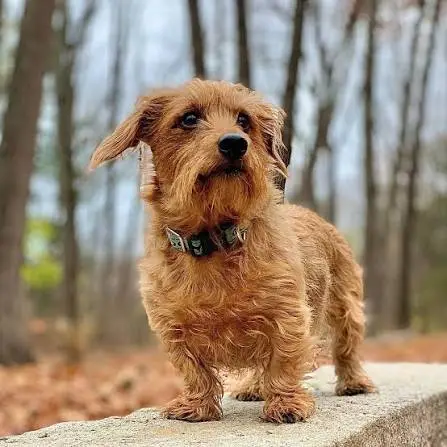
The name “Dorky” is commonly used for a Dorkie, a cross between a Dachshund and a Yorkshire Terrier (Yorkie).
Because Dorkies are crossbreed dogs rather than a single breed with one fixed breed standard, puppies from different litters can look quite different. One puppy might inherit a more obvious Dachshund body shape, while another may look more like a Yorkie.
Their coat can also vary in length, texture and colour.
Dorkie Puppies at a Glance
A Dorkie puppy may grow into a dog with:
- A small overall frame
- Short legs
- A relatively long back
- A lively and affectionate personality
- A coat that can range from shorter to longer and silkier
- A strong attachment to its owners
- Plenty of curiosity and confidence
Genetics are unpredictable, so a breeder should not promise an exact adult appearance simply because the parents look a certain way.
Read also: Small Dog Breeds Guide
What Are Dorky Puppies Like?
The Dorkie may be tiny, but it rarely behaves as though it knows that.
These puppies can be playful, curious and affectionate. They may follow their favourite person around the house, investigate every interesting sound and enthusiastically join whatever is happening.
That combination can be delightful — although it also means owners need to provide structure from the beginning.
Affectionate and People-Focused
Many Dorkies form strong bonds with their families. A puppy that happily curls up beside you after a play session can quickly become your little shadow.
This close attachment is lovely, but puppies should still learn that being alone for short, gradually increasing periods is normal. Teaching independence early can make everyday life easier as the dog matures.
A Confident Little Character
Dachshunds and Yorkshire Terriers are both known for having plenty of character, and a Dorkie can inherit that confidence.
Do not be surprised if your tiny puppy believes it has the authority to inspect every delivery, challenge every suspicious noise and supervise the entire household.
Gentle, reward-based training and positive socialisation can help channel that confidence into useful behaviour.
How Big Do Dorky Puppies Get?
There is no single adult size for every Dorkie because the cross does not have one universal breed standard.
The size of the parents, their genetics and the particular traits inherited by the puppy can all influence its eventual build.
For that reason, anyone advertising a puppy should be careful about making guaranteed claims about its adult size.
Why Puppy Size Can Be Misleading
A very small puppy does not necessarily mean you are buying a “teacup” dog, nor should unusually tiny size automatically be treated as desirable.
Breeding specifically for extreme smallness can create welfare concerns in some dogs. The better question is whether the puppy has been bred with health, temperament and welfare in mind.
Caring for Dorky Puppies
The first few months are about much more than cuddles.
Your puppy will need a safe home environment, appropriate food, sleep, veterinary care, gentle training and plenty of opportunities to experience normal household life positively.
Step-by-Step Puppy Routine
A simple routine can help your Dorkie settle in.
- Create a safe sleeping area.
Give your puppy somewhere quiet where it can rest undisturbed. - Keep meals consistent.
Initially, follow the feeding guidance supplied by the breeder and your vet. - Establish toilet-training routines.
Take your puppy outside regularly and praise successful toileting. - Introduce handling gently.
Briefly and calmly handle paws, ears and other areas so grooming and veterinary checks become less intimidating. - Begin basic training.
Start with simple behaviours such as responding to its name and coming when called. - Build socialisation gradually.
Introduce your puppy to suitable people, sounds, surfaces and experiences in a calm and positive way. - Protect plenty of sleep time.
Puppies need substantial rest, even when they appear determined to stay awake for another round of chaos.
Read also: Puppy Training Guide
Exercise and Play for Dorky Puppies
Puppies need opportunities to move, play and explore, but more exercise is not automatically better.
Young dogs are still developing, so activities should be appropriate for their age and physical development. Your vet can advise you about exercise and outdoor activities based on your puppy’s vaccination status, health and individual circumstances.
Short periods of play and gentle exploration can be more useful than trying to tire a puppy out with excessive physical activity.
Protecting a Dorkie’s Back
This is particularly relevant if your Dorkie has inherited the Dachshund’s long-backed shape.
Dachshunds are predisposed to intervertebral disc disease, a spinal condition that can cause pain and neurological problems. A Dorkie may potentially inherit some of the physical characteristics associated with its Dachshund parent.
Avoid encouraging repeated high jumps from sofas, beds or other furniture. Handle your puppy carefully and ask your vet about sensible exercise and weight management as your dog grows.
If a puppy suddenly shows signs of pain, weakness, difficulty walking or another worrying change, seek veterinary advice promptly.
Grooming Dorky Puppies

Grooming requirements depend on the coat your puppy inherits.
A Dorkie with a longer, Yorkie-like coat may need frequent brushing to prevent knots. A shorter coat may be easier to maintain.
Building Good Grooming Habits
Start slowly rather than attempting a full grooming session on day one.
You can gradually teach your puppy that:
- Brushes are not frightening.
- Paws can be touched gently.
- Ears can be examined calmly.
- Teeth can be introduced to brushing with appropriate canine products.
- Nail care is a normal part of life.
- Grooming can be followed by praise or a suitable reward.
Short, positive sessions are usually much easier than waiting until the coat is badly tangled and the puppy has already decided grooming is an unacceptable household activity.
Read also: Dog Grooming Guide
Dorky Puppies for Sale: How to Buy Responsibly
Searching for dorky puppies for sale can be exciting, but this is the point where it pays to slow down.
Never choose a puppy solely because an advert has excellent photographs or because the seller says there are several other interested buyers.
In the UK, prospective owners should research the breeder carefully and see the puppy with its mother in the environment where it was raised. GOV.UK guidance says puppies should not be sold under eight weeks old and recommends checking health records and other relevant documentation. (GOV.UK)
What to Ask the Breeder
Before agreeing to buy, ask:
- Can I meet the puppy with its mother?
- Where was the puppy born and raised?
- Can I see the puppy’s health and veterinary records?
- Has the puppy been microchipped?
- What vaccinations, flea treatments and worming has it received?
- What food is it currently eating?
- What socialisation has it experienced?
- Can I see information about both parents?
- Are there known health problems in the parents or their relatives?
- If you are a licensed breeder, can I verify the licence details?
A good breeder should be comfortable with sensible questions. You should never feel pressured to hand over money immediately.
Watch for Red Flags
Be particularly cautious if:
- The seller refuses to let you see the mother.
- You are offered a puppy younger than eight weeks.
- The seller wants to meet somewhere unrelated to where the puppy was raised.
- Several unrelated breeds are constantly advertised by the same person.
- You are pressured to pay quickly.
- Health records are missing or unclear.
- The puppy appears unwell, extremely fearful or poorly cared for.
In England, Lucy’s Law prohibits commercial third-party sales of puppies and kittens, meaning buyers should deal directly with the breeder or a rescue centre. (GOV.UK)
Rules can differ between parts of the UK, so check the current guidance applicable to where you live before purchasing.
Microchipping and Veterinary Care
Microchipping is an important part of responsible dog ownership.
Current GOV.UK guidance states that dogs across the UK must be microchipped and registered by eight weeks old, with a fine of up to £500 possible where applicable requirements are not met. (GOV.UK)
Your puppy will also need appropriate veterinary care, including discussions about vaccinations, parasite control, nutrition, dental care and neutering.
Do not try to create a medical schedule from internet advice alone. Your vet can tailor recommendations to your puppy’s age, health, lifestyle and vaccination history.
[Internal link suggestion: New Puppy Vet Checklist]
Training Dorky Puppies Without the Drama
Dorkie puppies can be bright and entertaining, but small dogs still need boundaries.
Use reward-based training and keep sessions short. Puppies have limited attention spans, so five minutes of productive training can be more useful than a long session where everyone becomes frustrated.
Start With the Basics
Focus initially on:
- Responding to their name
- Coming when called
- Toilet training
- Gentle handling
- Walking politely on a lead
- Settling calmly
- Learning what they are allowed to chew
- Being comfortable with short periods alone
Avoid punishment-based training. If you are struggling with a particular behaviour, ask your vet about suitable behaviour support or seek help from an appropriately qualified reward-based trainer.
Dorky Puppies for Male Owners: Name Ideas
If you meant dorky puppies for male when searching for a male puppy, choosing a name can be surprisingly difficult.
Dorkies often suit names that reflect their tiny size and oversized personality.
Cute Dorky Puppies Name Ideas
For a male Dorkie, you could consider:
- Alfie
- Milo
- Teddy
- Archie
- Oscar
- Charlie
- Toby
- Bruno
- Pickle
- Monty
- Bertie
- Biscuit
- Louie
- Winston
- Percy
A funny name can be particularly charming. Calling a tiny Dorkie “Bear” or “Tank” has a certain appeal.
The best name is one that is easy to say and does not sound too similar to everyday training commands.
Are Dorky Puppies Good Family Pets?
They can be wonderful companions for the right household.
Their small size may suit people living in flats or smaller homes, provided their exercise, enrichment and companionship needs are met. However, their small stature also means they can be vulnerable to accidental injury.
Dorkies and Children
Children should always be supervised around puppies.
Young dogs need sleep and personal space, while small puppies can be hurt by rough handling or accidental drops. Teach children to interact calmly and never disturb the puppy while it is eating or sleeping.
A Dorkie should have somewhere it can retreat when it wants peace and quiet.
Common Mistakes New Dorkie Owners Make
Even experienced dog owners can underestimate puppy life.
Some common mistakes include:
Expecting Toilet Training to Happen Overnight
Accidents are normal during puppyhood. Consistency matters more than frustration.
Overfeeding Because the Puppy Looks Tiny
Small dogs still need balanced nutrition, and excess weight can put unnecessary strain on the body. Ask your vet about appropriate feeding amounts and monitor your puppy’s growth.
Treating a Small Dog Like a Toy
A Dorkie is still a dog. It needs training, boundaries, enrichment, exercise and opportunities to behave normally.
Allowing Every Cute Behaviour
It is easy to laugh when a tiny puppy jumps up at your legs. It becomes less amusing when the adult dog does exactly the same thing to visitors.
Decide early which behaviours are acceptable and reward the ones you want to see more often.
Important Considerations for UK Pet Owners
Buying a puppy is a long-term commitment, not an impulse purchase.
Before bringing home a Dorkie, consider:
- Ongoing food and veterinary expenses
- Pet insurance or another plan for unexpected veterinary costs
- Grooming requirements
- Training time
- Holiday and boarding arrangements
- Daily exercise and companionship
- The suitability of your home
- Your ability to care for the dog throughout its life
If you are buying rather than adopting, research the seller thoroughly. GOV.UK specifically advises buyers to meet puppies with their mothers, check medical records and avoid sellers who rush the sale. (GOV.UK)
Rescue is another option worth considering. A puppy or young dog needing a home may be available through a reputable rehoming organisation.
Read also: Dog Adoption Guide UK
Final Thoughts
Dorky puppies may be small, but bringing one home is a big commitment. A Dorkie can be an affectionate, playful and entertaining companion when given appropriate training, exercise, grooming, veterinary care and plenty of positive interaction.
If you are searching for Dorky puppies for sale, resist the temptation to choose the cutest advert or cheapest puppy. Take your time, meet the puppy with its mother, check the paperwork and ask plenty of questions.
The right puppy is not simply the one with the sweetest face. It is the one that has been given a healthy, well-cared-for start and is coming from a responsible source.
Key takeaways
- Dorky puppies, usually called Dorkie puppies, are a cross between a Dachshund and Yorkshire Terrier.
- Their size, coat, appearance and personality can vary because they are a crossbreed.
- Dorkies can be affectionate, playful, confident and people-focused, but they still need consistent training.
- Start toilet training, socialisation and basic commands early using positive, reward-based methods.
- If a puppy inherits a long Dachshund-like back, owners should take sensible precautions around jumping, handling and excessive physical strain.
- Grooming needs depend on the coat, with longer-haired Dorkies generally requiring more regular brushing.
- When searching for dorky puppies for sale, always see the puppy with its mother and check health and veterinary records.
- UK buyers should be particularly cautious about online puppy adverts, pressure to pay quickly and sellers who refuse visits.
- Good dorky puppies cute name options include Milo, Teddy, Alfie, Pickle, Biscuit, Archie and Monty.
- A Dorkie can make a lovely companion, but prospective owners should consider training, veterinary care, grooming, exercise and long-term costs before bringing one home.
Frequently asked questions
Dorky puppies, usually called Dorkie puppies, are Dachshund and Yorkshire Terrier crosses. Their appearance, coat and temperament can vary depending on which traits they inherit from their parents.
There is no reliable single UK price for Dorkie puppies. Prices can vary depending on location, breeder, parent dogs, health screening, demand and other factors. Treat unusually cheap puppies as a reason to investigate the seller rather than automatically assuming you have found a bargain.
If you decide to buy a Dorkie puppy, look for a responsible breeder who allows you to see the puppy with its mother and provides appropriate health and veterinary information. You can also consider reputable rescue organisations.
A complete puppy food appropriate for your dog's size and life stage is a sensible starting point. Follow the feeding guidance provided by the manufacturer and discuss your puppy's individual needs with your vet.
They can be responsive to training, but individual puppies differ. Consistent, reward-based training, good socialisation and short sessions can help build reliable habits.
Popular choices include Alfie, Milo, Teddy, Archie, Oscar, Toby, Monty and Bertie. For something more playful, names such as Pickle, Biscuit or Tank can suit a Dorkie's larger-than-life personality.