
Dog Training & Walking Reviews: How to Find the Best Services for Your Dog
Finding a reliable dog trainer or dog walker can make a real difference to your dog’s happiness, behaviour and everyday routine. But with so many services available across the UK, how do you know which ones are genuinely worth trusting? This is where dog training & walking reviews become useful. They help owners understand what to expect, compare services and spot potential warning signs before making a booking.
Whether you have a playful puppy that needs basic training, an energetic Labrador that enjoys long walks or an older dog that needs a gentler routine, choosing the right professional matters. In this guide, we explain how to read reviews, what makes a good dog training or walking service, and which questions to ask before trusting someone with your four-legged family member.
Why Dog Training & Walking Reviews Matter
Online reviews give you an idea of other owners’ experiences. They can reveal useful details that a service’s website might not mention, such as punctuality, communication, reliability and how dogs are treated.
However, a five-star rating alone does not tell the whole story. A dog walker might receive excellent feedback for being friendly but have limited experience with nervous dogs. Similarly, a trainer might be popular but use methods that do not suit your dog’s needs.
Look for reviews that describe specific experiences rather than simply saying, “Brilliant service!” Helpful feedback explains what the professional did, how the dog responded and whether the owner would recommend the service.
What to Look for in Dog Training Reviews
A good dog trainer should help owners understand their dogs and build positive habits through consistent, suitable training.
Training Methods and Qualifications
Look for trainers who explain their approach clearly and use reward-based methods. These focus on encouraging desirable behaviour through rewards such as treats, toys and praise.
Check whether the trainer has relevant education, practical experience and professional membership. Organisations such as the Association of Pet Behaviour Counsellors (APBC) and the Institute of Modern Dog Trainers (IMDT) can be useful starting points when researching professionals.
A trainer should also be willing to discuss your dog’s individual needs rather than promising instant results.
Reviews from Owners with Similar Dogs
Not every dog has the same personality or training requirements. A young puppy learning recall needs different support from an adult rescue dog that feels anxious around unfamiliar people.
Look for feedback from owners whose dogs have similar needs. Useful reviews may mention:
- Puppy socialisation and basic obedience.
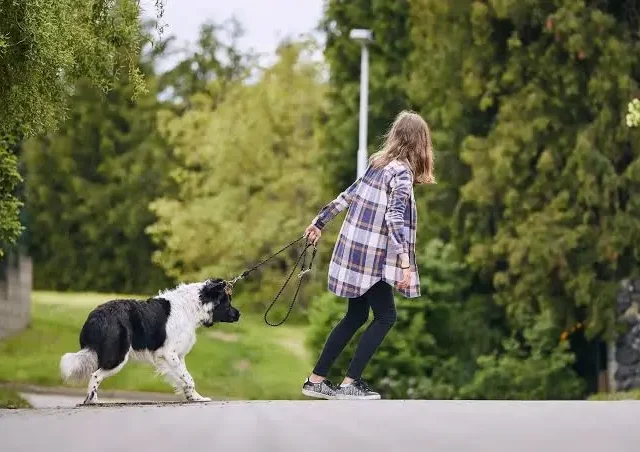
- Lead pulling and recall training.
- Nervous or reactive behaviour.
- Training around other dogs and people.
- Communication and progress updates.
Remember that behaviour changes take time. Be cautious of anyone promising to solve every problem in a single session.
What to Look for in Dog Walking Reviews
A trustworthy dog walker should provide more than an opportunity for your dog to stretch its legs. They should understand canine behaviour, manage walks safely and communicate clearly with owners.
Reliability and Communication
Check whether customers mention punctual collections, dependable arrangements and regular updates. Photos or messages can be reassuring, particularly when your dog is spending several hours away from home.
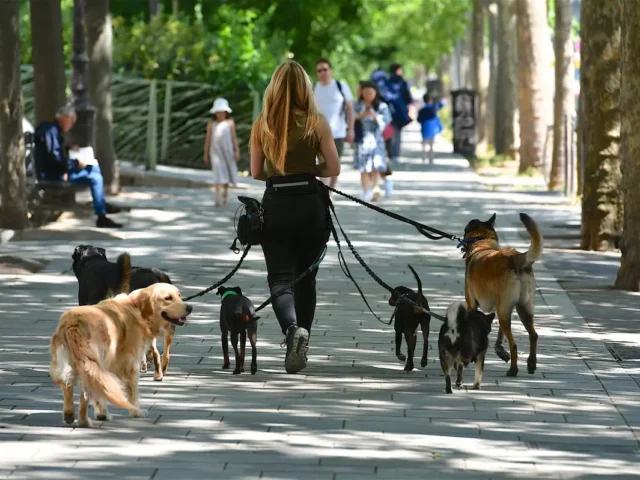
Ask whether walks are individual or group-based. Group walks are not suitable for every dog, especially those that are nervous, elderly or uncomfortable around unfamiliar dogs.
Safety, Experience and Insurance
Look for reviews mentioning responsible handling, suitable walking routes and sensible group sizes. Ask whether the walker has public liability insurance, appropriate experience and a clear emergency procedure.
A professional should also understand how to manage dogs around roads, livestock, wildlife and other people.
How to Choose the Right Dog Training or Walking Service
Before booking, take a little time to compare your options.
Step-by-Step Guidance
- Search locally: Find dog trainers and walkers in your area. Ask other dog owners and your veterinary practice for recommendations.
- Read several reviews: Check different platforms rather than relying on one testimonial or rating.
- Check experience: Ask about experience with your dog’s breed, age, temperament and specific needs.
- Discuss methods: Make sure the trainer uses humane, reward-based techniques and explains how they work.
- Ask about insurance: Check relevant insurance, safety arrangements and emergency procedures.
- Arrange an introduction: Meet the professional and see how they interact with your dog before committing.
- Review the service: After a few sessions or walks, consider whether your dog seems comfortable and whether communication has been satisfactory.
Common Mistakes to Avoid
- Choosing a service based only on the cheapest price.
- Trusting every online review without checking details.
- Ignoring concerns about harsh training equipment or punishment-based methods.
- Booking group walks without checking whether your dog enjoys other dogs.
- Failing to explain medical, behavioural or handling needs.
- Assuming a professional’s popularity automatically means they are suitable for your dog.
The right service should make you feel comfortable asking questions. A responsible professional will not pressure you into booking.
Important Considerations for UK Dog Owners
Dog training and walking services can differ considerably between UK towns and cities. Some walkers operate independently, while others work as part of larger businesses. Always check what is included in the service.
Before choosing a dog walker, ask about:
- Whether dogs are walked individually or in groups.
- Collection and drop-off arrangements.
- Maximum group size.
- Insurance and emergency contacts.
- How dogs are transported, if applicable.
- What happens during extreme weather.
- Whether the walker follows your dog’s feeding and medication instructions where agreed.
For training, ask whether sessions take place at home, outdoors or in a group class. Puppies may benefit from carefully managed socialisation opportunities, while some adult dogs need individual support.
The RSPCA and Dogs Trust offer useful general guidance on responsible dog ownership and positive training. If your dog shows sudden behavioural changes, pain-related behaviour or severe anxiety, consult your vet before assuming it is simply a training issue.
Internal link suggestions:
- Puppy Care Guide
- Dog Training Tips for Beginners
- How Much Exercise Does a Dog Need?
- Dog Walking Safety Tips
Final Thoughts
Choosing the right professional is about finding someone who understands your dog, respects its needs and makes you feel confident as an owner. Good dog training & walking reviews can help you narrow down your choices, but personal introductions, clear questions and careful research matter just as much.
Take time to compare services, check their experience and understand their approach before booking. A reliable trainer or walker can become a valuable part of your dog’s life, helping create safer walks, better habits and happier everyday adventures.
Key takeaways
- Read multiple reviews: Compare feedback across different platforms instead of relying on one rating.
- Check trainer qualifications: Look for relevant experience, professional memberships and reward-based training methods.
- Prioritise your dog's needs: Choose a trainer or walker who understands your dog's age, breed, temperament and behaviour.
- Check safety and insurance: Ask about public liability insurance, emergency procedures and safe handling practices.
- Understand walking arrangements: Find out whether walks are individual or in groups and how many dogs are handled at once.
- Arrange an introduction: Meet the professional before booking to see how they interact with your dog.
- Avoid unrealistic promises: Good training takes patience, consistency and time. Be cautious of guaranteed quick fixes.
- Compare prices and services: Understand what is included before making a payment.
- Look for clear communication: Reliable professionals should provide updates and answer your questions openly.
- Choose quality over price: Your dog's safety, comfort and wellbeing should always come first.
Frequently asked questions
They can be helpful, but no single review should determine your decision. Read a range of recent reviews, look for specific experiences and check the professional's qualifications, insurance and methods.
Ask for recommendations, check independent feedback and arrange an introductory meeting. Discuss your dog's temperament, walking arrangements, insurance and emergency procedures before booking.
There is no single qualification that guarantees a trainer is right for every dog. Look for relevant training, practical experience, continuing education and recognised professional memberships. Ask about their methods and how they handle challenging behaviour.
No. Some dogs enjoy walking with others, while others feel uncomfortable or become overwhelmed. Your walker should assess your dog's temperament and introduce group walks carefully when appropriate.
Prices vary according to location, experience, session length and service type. Ask for a clear quote before booking and check whether travel, individual attention or additional services cost extra.
It depends on your dog's needs. If your dog needs help with basic manners or behaviour, training may be the priority. If you need reliable daytime exercise and companionship, a suitable dog walker may be more useful. Some dogs benefit from both.