
Puppy Kiss: Why Puppies Lick Your Face and What It Means
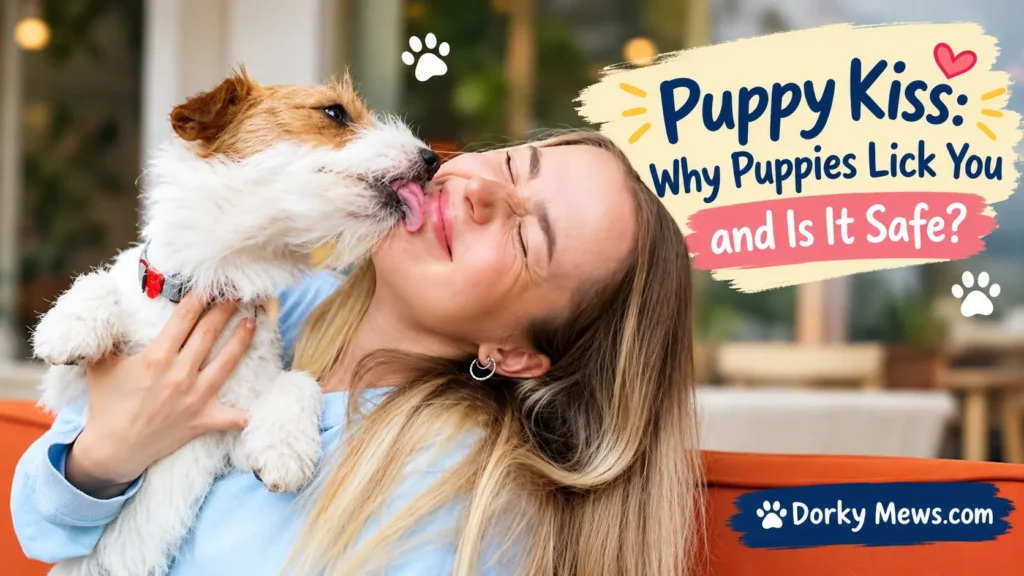
A puppy kiss can melt even the most serious dog lover. One minute, your puppy is curled up beside you; the next, you are being greeted with a wet nose and a flurry of enthusiastic licks. But why do puppies kiss people? Is it a sign of affection, a way of exploring the world, or simply a cheeky attempt to get your attention?
Puppies lick for several reasons, and understanding their behaviour can help you build a closer relationship with your new companion. Although a puppy kiss is often harmless, there are also hygiene considerations, particularly around the mouth, eyes and young children. This guide explains what puppy licking means, how to respond positively, when to discourage face licking, and how UK owners can keep those affectionate moments safe and enjoyable.
What Is a Puppy Kiss?

A puppy kiss usually means a puppy licking a person’s face, hands or skin. People often interpret it as a canine version of a human kiss, and it can certainly be part of a friendly interaction. However, dogs do not necessarily attach the same meaning to licking that humans attach to kissing.
Puppies explore their surroundings with their noses and mouths. Licking can be a way to gather information, communicate, seek attention or respond to familiar people. The context matters: a relaxed puppy gently licking your hand may be behaving differently from an anxious puppy repeatedly licking your face.
Look at the puppy’s whole body language rather than relying on licking alone. A loose, relaxed posture and a willingness to stay nearby can suggest comfort. Turning away, stiffening, tucking the tail or repeatedly trying to move away may indicate that the puppy needs space.
Why Do Puppies Give Puppy Kisses?
They May Be Showing Affection
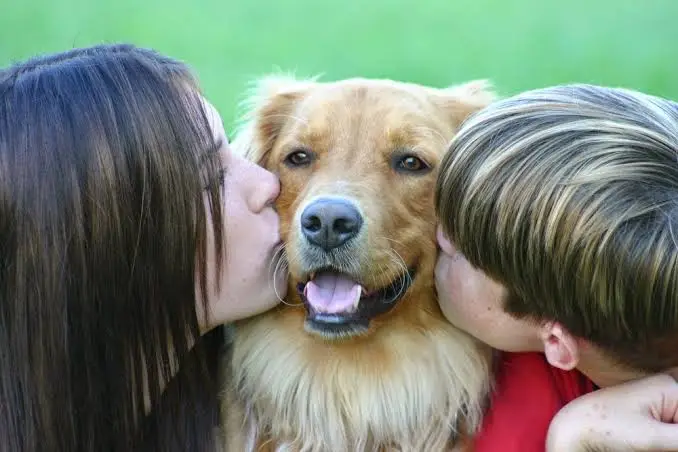
Puppies can form strong social bonds with their owners. Gentle licking may be part of a friendly greeting or a way of maintaining social contact.
Your puppy might lick your hand when you sit down after work or give you a quick lick before settling beside you. These moments can be part of a positive relationship, although licking does not prove affection on its own.
They Want Attention
Puppies quickly learn which behaviours get a reaction. If licking your face makes you laugh, speak excitedly or start playing, your puppy may repeat it.
That is not necessarily bad behaviour. It simply means your puppy has discovered an effective way to interact with you. If you would rather avoid face licking, reward a different greeting, such as sitting calmly or offering a paw.
They Are Exploring Your Scent and Taste
Dogs experience the world through their senses, and licking can provide information about people and their surroundings. Skin may taste salty, and food smells on your fingers can make your hands particularly interesting to a puppy.
This is one reason puppies sometimes lick your hands after a meal or investigate your face when you have just eaten. It is not always a grand declaration of love; occasionally, your puppy is simply conducting a very enthusiastic snack investigation.
It Can Be a Social Behaviour
Licking is part of dogs’ wider social behaviour. Puppies may lick other dogs, and they can carry this behaviour into interactions with people.
However, licking does not always mean a dog is happy. Some puppies lick when they feel uncertain or want to reduce social pressure. If licking appears alongside avoidance, yawning, a tense posture or attempts to move away, give your puppy a little breathing room.
Are Puppy Kisses Safe for People?
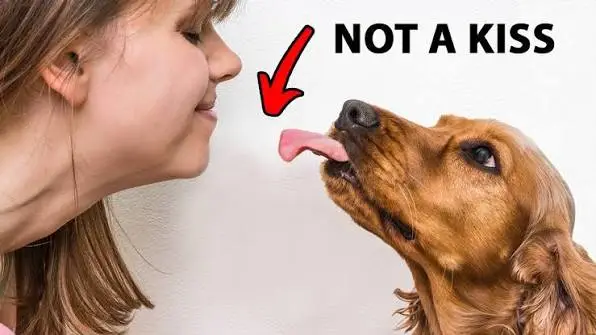
A puppy’s affection is lovely, but allowing it to lick your face is a personal choice rather than a necessity for bonding.
Dogs’ mouths contain bacteria, and licking can transfer germs to people. The risk is generally more concerning when saliva reaches the mouth, eyes, broken skin or a wound. People with weakened immune systems, very young children and others who may be more vulnerable to infection should take extra care.
For a safer cuddle, let your puppy lick your hand if you are comfortable with it, then wash your hands with soap and water. Avoid letting a puppy lick your lips, inside your mouth, eyes or any broken skin.
Why You Should Be Careful Around Babies and Children
Young children may not understand when a puppy needs space, and they can accidentally encourage licking by putting their faces close to the dog’s muzzle.
To make interactions safer:
-
Always supervise children around puppies.
-
Keep puppy kisses away from children’s faces and mouths.
-
Teach children to stroke gently and avoid hugging or grabbing the puppy.
-
Give the puppy a quiet place to rest where children cannot disturb it.
-
Wash hands after handling the puppy, its food bowls or its toys.
Even a friendly puppy can nip or scratch when excited, frightened or overtired. Gentle handling and close supervision help protect both the child and the dog.
How to Encourage Healthy Puppy Kissing Habits
You do not have to punish your puppy for licking. Instead, decide what you are comfortable with and teach a suitable alternative.
Step-by-Step Guidance
Step 1: Decide on your boundaries. If you enjoy a little hand licking but do not want face licking, keep that rule consistent. Everyone in the household should follow the same approach.
Step 2: Reward calm greetings. When your puppy approaches without jumping or licking your face, reward the behaviour with praise, a small suitable treat or gentle attention.
Step 3: Redirect unwanted licking. If your puppy tries to lick your face, calmly turn your head or move away. Ask for a simple behaviour, such as sitting, and reward your puppy when it responds.
Step 4: Provide enough activity and rest. Puppies can become mouthy or excitable when they are overstimulated or tired. Age-appropriate play, gentle training, sniffing opportunities and plenty of sleep can help.
Step 5: Watch for changes. Occasional licking is common, but persistent or sudden excessive licking—especially when accompanied by distress, vomiting, skin irritation or other changes—deserves veterinary advice.
Common Mistakes to Avoid
-
Shouting or pushing your puppy away roughly: This can frighten your puppy or turn the interaction into an exciting game.
-
Rewarding face licking accidentally: Laughing, talking or wrestling may encourage your puppy to repeat it.
-
Assuming every lick means love: Consider the puppy’s posture and the situation.
-
Allowing licking around wounds: Keep saliva away from cuts, sores and irritated skin.
-
Ignoring sudden behaviour changes: If licking becomes repetitive or appears linked to discomfort, ask your vet for advice.
Important Considerations for UK Puppy Owners
When welcoming a puppy into a UK home, plan for more than cuddles and cute photographs. Arrange appropriate veterinary care, vaccinations, parasite prevention and age-appropriate socialisation with advice from your vet.
If your puppy has been licking a person’s wound or you are concerned about possible infection, seek advice from a healthcare professional. If your puppy is repeatedly licking its own body, objects or surfaces, a vet can help assess possible medical or behavioural causes.
For everyday care, use reward-based training and give your puppy opportunities to meet new experiences gradually and positively. A well-rested puppy that feels safe is generally better placed to learn polite greetings.
Read Also: Puppy Care Guide
Read also: Dog Training Tips for Beginners
Final Thoughts
A puppy kiss can be a sweet part of life with a young dog, but licking has several meanings beyond affection. By noticing your puppy’s body language, setting consistent boundaries and rewarding calm behaviour, you can encourage friendly greetings without unwanted face licking.
Enjoy the cuddles, keep hygiene in mind and remember that trust grows through everyday care, patience and positive experiences—not just a few enthusiastic licks.
Key takeaways
- Puppy kisses can show affection: Puppies may lick people to interact, bond or seek attention, but licking does not always mean love.
- Puppies explore with their mouths: Your puppy may lick your hands or face to investigate smells and tastes.
- Puppy kisses are not completely risk-free: Dog saliva can carry bacteria, so avoid licking around your mouth, eyes, wounds or broken skin.
- Protect young children: Always supervise children around puppies and discourage face licking.
- Teach gentle greetings: Reward your puppy for sitting calmly instead of jumping up or licking visitors.
- Avoid harsh reactions: Calmly redirect unwanted licking and use consistent, reward-based training.
- Watch for excessive licking: Persistent or sudden changes in licking behaviour may indicate discomfort or another issue. Contact your vet if you are concerned.
- Build trust in other ways: Play, gentle handling, positive training and quality time help strengthen your bond with your puppy.