

Birds of Paradise: Plant Care, Pet Safety and What Owners Should Know
The name birds of paradise can be confusing. Are we talking about exotic birds, a colourful houseplant, a hairstyle, or something connected with Bangalore? For Dorky Mews readers, the birds of paradise plant is likely to be the most useful place to start — especially if you share your home with a curious cat or dog. The bird of paradise, usually referring to Strelitzia reginae, is a striking tropical-looking plant with large leaves and dramatic orange and blue flowers. It can make a fantastic indoor feature, but it needs plenty of light, warmth and space. There is also an important pet-safety point: some plants sold under the common name “bird of paradise” are toxic to cats and dogs, so identifying the plant correctly matters.
What Are Birds of Paradise?
The term birds of paradise most commonly refers to plants in the Strelitzia genus.
The best-known houseplant is Strelitzia reginae, often called the bird of paradise, crane flower or bird of paradise flower. It comes from South Africa and is grown for its large, architectural leaves and distinctive flowers. The flowers are particularly unusual. Orange and blue petals emerge from a pointed structure that resembles a bird’s head, which explains the plant’s memorable name.
What Does a Bird of Paradise Plant Look Like?
A healthy bird of paradise has large, paddle-shaped evergreen leaves growing from long, upright stems. Strelitzia reginae can eventually reach around 1.5 metres tall and about 1 metre wide under suitable conditions, so this is not necessarily a tiny windowsill plant. Its flowers can be orange and blue, although flowering is not guaranteed indoors. RHS guidance notes that plants may need to reach a substantial size and age before flowering, so buying one does not mean you will immediately have a living tropical bouquet in your lounge.
How to Care for a Birds of Paradise Plant
A bird of paradise is relatively straightforward when its basic needs are met. The biggest challenges in a typical UK home are often light, warmth and space.
Give It Plenty of Light
Bird of paradise plants like lots of bright light. A large sunny window or bright conservatory can work well. RHS guidance recommends full light, although some shade can be helpful while the plant is flowering because very strong sunlight can affect the colour of the blooms. If your plant is sitting in a gloomy corner, don’t be surprised if it produces plenty of leaves but refuses to flower.
Get the Watering Right
During active growth in spring and summer, bird of paradise plants need regular watering. The compost should remain moist but not permanently waterlogged. Watering should be reduced during autumn and winter as growth slows. A pot with good drainage is important. One common mistake is assuming a tropical-looking plant needs to sit in soaking-wet compost all the time. It doesn’t.
Keep It Warm
This is where the British climate can make things interesting. Strelitzia is a tender plant rather than something that should be left outside through a typical UK winter. RHS guidance recommends bringing plants indoors before temperatures approach 12°C. During summer, a potted plant can be moved outside to a warm, sheltered position. However, strong winds can shred its large leaves or even knock over a top-heavy plant.
Give It Enough Space
A young bird of paradise can look perfectly manageable in a garden centre. Then it grows. Established plants can become broad and impressive, with leaves extending well beyond the original pot. RHS guidance says Strelitzia reginae can reach around 1.5 metres tall and 1 metre wide. Before buying one, consider where it will eventually live rather than where it fits today.
Read Also: Best Houseplants for UK Homes
Are Birds of Paradise Safe for Cats and Dogs?
This is particularly important for Dorky Mews readers. There is some confusion around the common name “bird of paradise” because it can refer to more than one plant. The ASPCA lists Strelitzia reginae as toxic to cats and dogs, with the fruit and seeds associated with mild nausea, vomiting and drowsiness. The ASPCA also lists another plant known as bird of paradise, Caesalpinia gilliesii, as toxic to cats and dogs, with potentially more serious signs including oral irritation, drooling, vomiting, diarrhoea and difficulty swallowing. That means pet owners should identify the exact plant rather than relying only on its common name.
What Should You Do If Your Pet Chews the Plant?
If your cat or dog has eaten part of a bird of paradise plant, don’t wait for symptoms before seeking professional advice.
Contact your vet promptly and tell them:
- The plant’s exact name, if known
- Which part was eaten
- Approximately how much may have been swallowed
- When it happened
- Your pet’s species and approximate size
Keep the plant label or a clear photograph available if possible.
Do not attempt to make your pet vomit unless a veterinary professional specifically tells you to do so.
Read Also: Cat-Safe Houseplants Guide
Birds of Paradise and Cats: Practical Tips
Cats are excellent at turning innocent houseplants into personal playgrounds.
A large bird of paradise can be particularly tempting because its leaves move, sway and provide interesting places to investigate.
Keep Curious Cats Away
If your cat likes chewing plants, place the bird of paradise somewhere they cannot easily reach.
This can be easier said than done with a plant that eventually becomes quite large.
A secure, stable location is important because a determined cat can knock over a poorly positioned pot.
Avoid Fallen Leaves and Plant Debris
Remove fallen leaves and other plant material promptly.
This reduces the opportunity for a curious pet to investigate something that could cause a problem if swallowed.
Don’t Assume Indoor Means Safe
A plant being sold as a popular houseplant does not automatically mean it is suitable for homes with pets.
Always check the scientific name and pet-safety information before bringing a new plant home.
Birds of Paradise and Dogs
Dogs may be less interested in houseplants than cats, but puppies in particular can investigate almost anything with their mouths.
If you have a young dog that chews furniture, leaves, soil and plant pots, take extra care with houseplants.
A sturdy pot is also useful because a large plant can be surprisingly easy for an enthusiastic dog to knock over.
If your dog eats part of a bird of paradise plant, contact your vet for advice rather than waiting to see whether symptoms develop.
Why Are the Leaves Splitting?
Don’t panic if your bird of paradise develops splits or tears in its leaves.
Large Strelitzia leaves can naturally split, and outdoor plants can become particularly tatty when exposed to wind. RHS guidance specifically warns that strong winds can shred the leaves.
That said, widespread browning, poor growth or damaged leaves can also indicate that the growing conditions need attention.
Check:
- Light levels
- Watering
- Humidity
- Temperature
- Draughts
- Pests
How to Keep the Leaves Looking Their Best
Dust can accumulate on those enormous leaves. Gently wiping them from time to time can remove dust and help them make better use of available light. RHS recommends occasional leaf cleaning as part of ongoing care. Avoid aggressively polishing the leaves with household products. Plain water and a soft cloth are usually all you need.
Do Birds of Paradise Change Colour?
The plant itself does not normally transform into a completely different colour as it matures. The most familiar Strelitzia reginae produces striking orange and blue flowers, while other Strelitzia species have different characteristics. For example, Strelitzia nicolai is known as the white bird of paradise and is generally grown for its foliage as much as its flowers. This is another reason to check the botanical name when shopping for a plant.
What Does “Birds of Paradise Hair Colour” Mean?
You may also come across the phrase birds of paradise hair colour online. This isn’t a botanical term. It is generally used as a descriptive phrase for colourful hair inspired by the vivid shades associated with tropical birds and flowers. It has nothing to do with the care or identification of the Strelitzia plant. If you’re researching the plant for your home, don’t let unrelated searches for hair colour distract you from checking the actual botanical name.
What About Birds of Paradise in Bangalore?
The phrase birds of paradise Bangalore can refer to searches for the plant, flowers, nurseries, gardens or other local uses of the name in Bangalore.
The growing conditions there are quite different from those in the UK. A warm climate can make tropical and subtropical plants easier to grow outdoors, whereas UK owners generally need to treat Strelitzia as a tender plant and protect it from cold weather. If you’re buying one in any location, the same basic rule applies: check the scientific name, growing requirements and pet-safety information rather than relying solely on the common name.
Common Birds of Paradise Plant Care Mistakes
Keeping It in Too Little Light
A bird of paradise needs plenty of light. A dark hallway may look stylish, but it is unlikely to provide the conditions the plant wants.
Overwatering
Wet compost that never gets a chance to drain can cause problems. Use a suitable pot and well-drained growing medium.
Leaving It Outdoors in Winter
A British winter is not the environment this tender plant is designed for. Bring it inside before temperatures become too low.
Choosing a Tiny Pot for a Large Plant
As the plant grows, its root system and top-heavy foliage need appropriate support. Repotting is generally done every couple of years when the roots have filled the container, according to RHS guidance.
Ignoring Pets
This is the big one for pet households. A beautiful houseplant isn’t worth risking your cat or dog’s health. If your pet regularly chews plants, choose placement carefully and check plant safety before buying.
Important Considerations for UK Pet Owners
A bird of paradise can work beautifully in a UK home, particularly a bright room, conservatory or sunny indoor space. However, think about both the plant and your pets before making a purchase.
A quick checklist:
- Check the scientific name of the plant.
- Provide plenty of bright light.
- Use a pot with good drainage.
- Keep it warm during colder months.
- Give the mature plant enough room.
- Keep it securely positioned around pets.
- Remove fallen leaves and plant material.
- Contact a vet promptly if a pet eats the plant.
- Never assume a common plant name tells you whether something is pet-safe.
Read Also: Pet-Safe Home Guide
Final Thoughts
Birds of paradise can bring a wonderfully tropical feel to a UK home, with dramatic leaves and unusual flowers that make them natural conversation starters.
For pet owners, though, the most important step is not choosing the prettiest plant in the garden centre. It is identifying exactly what you are buying and considering where it will live. Give a Strelitzia plenty of light, warmth, space and sensible watering, and it can become an impressive long-term houseplant. If you share your home with a cat or dog, keep the plant safely out of reach and seek veterinary advice if your pet eats any part of it. A little planning means you can enjoy the tropical look without turning your living room into a botanical obstacle course.
Key takeaways
- Birds of paradise usually refers to the tropical Strelitzia plant, known for its large leaves and striking bird-like flowers.
- The birds of paradise plant needs plenty of bright light, warmth and good drainage to grow well.
- In the UK, it is generally best grown indoors or in a conservatory, with outdoor time mainly during warmer weather.
- Large varieties can need plenty of space, so check the mature size before choosing a spot.
- Split or torn leaves are common and can happen naturally as the plant grows.
- Birds of paradise can be harmful to cats and dogs, particularly if they chew or eat parts of the plant.
- Keep the plant away from pets and contact a vet if a pet eats part of it and develops symptoms such as vomiting or unusual drowsiness.
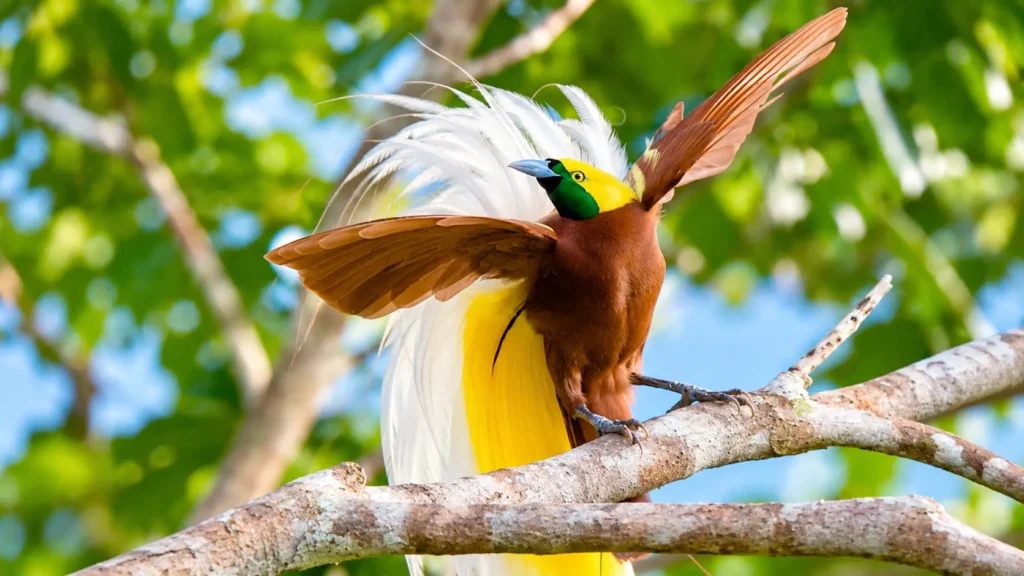
- “Birds of paradise bird” can refer to the actual birds-of-paradise found mainly in New Guinea and nearby regions, rather than the houseplant.
- “Birds of paradise hair colour” and “birds of paradise Bangalore” can refer to completely different search topics, so context matters when searching the phrase.
- With the right light, watering routine and temperature, birds of paradise can make an impressive tropical addition to a UK home.
Frequently asked questions
It can grow well indoors in the UK when given plenty of light, warmth, suitable watering and enough space. It is a tender plant and should be protected from cold temperatures.
Strelitzia reginae can reach around 1.5 metres tall and approximately 1 metre wide in suitable conditions. Other species, such as Strelitzia nicolai, can become considerably larger.
The ASPCA lists Strelitzia reginae as toxic to cats, with fruit and seeds associated with mild nausea, vomiting and drowsiness. If your cat eats the plant, contact your vet for advice.
The ASPCA also lists Strelitzia reginae as toxic to dogs. If your dog has eaten part of the plant, seek veterinary advice promptly.
Splitting can occur naturally, and outdoor plants are particularly vulnerable to wind damage. Poor growing conditions can also contribute to damaged or unhealthy-looking foliage.
During spring and summer, water regularly while avoiding waterlogged compost. Reduce watering during autumn and winter as growth slows. Your home's temperature, light and humidity will affect how quickly the compost dries.
