
Dorky Dog: The Complete Guide to the Adorable Dorkie Dog Breed
If you have searched for dorky dog, you may be wondering whether it simply describes a silly-looking pup or refers to a particular type of dog. In pet circles, “Dorky” is commonly used as another name for the Dorkie — a small cross between a Dachshund and a Yorkshire Terrier (Yorkie). The result is a wonderfully distinctive little dog that can combine the Dachshund’s long body with the Yorkie’s lively personality and silky coat.
But cute looks are only part of the story. If you are considering a Dorkie, you will want to know what these dogs are actually like to live with, how much grooming they need, whether they suit families, and what health considerations owners should understand. This guide covers those practical questions while also explaining why the dorky dog has become such a favourite subject for funny pet photos and the occasional dorky dog meme.</a>
<h2>What Is a Dorky Dog?
A Dorky dog, more commonly spelled Dorkie, is a cross between a Dachshund and a Yorkshire Terrier. Because it is a crossbreed rather than a purebred dog with a single recognised breed standard, Dorkies can vary considerably in appearance, coat and temperament.
The name is sometimes written as Dorky, Dorkie, Doxie Yorkie or Yorkie Dachshund mix. The spelling can cause some confusion online, particularly because “dorky” is also an ordinary English word meaning slightly silly or awkward.
That double meaning is probably part of the appeal. A Dorkie can have a very serious little face while behaving like the household comedian.
Dorkie Dog Breed at a Glance
A Dorkie may inherit different combinations of traits from its parents, but many have:
- A small overall build
- A relatively long body
- Short legs
- A lively, affectionate personality
- A coat that may be silky, longer, shorter or somewhere between the parent breeds
- A strong attachment to their human family
- Plenty of confidence packed into a very small frame
There is no guarantee that every Dorkie will look or behave the same way. Genetics do not work like a recipe, and crossbreed puppies can inherit different characteristics from either parent.
Read also: Small Dog Breeds Guide
What Does a Dorkie Look Like?
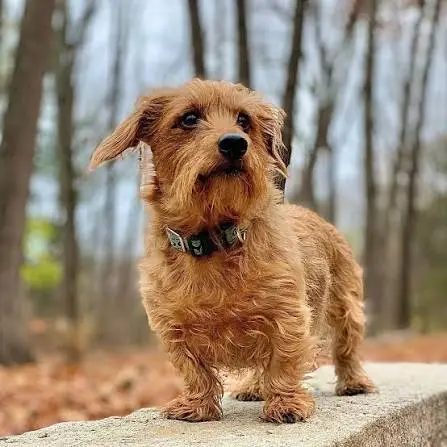
One of the reasons the Dorkie is so recognisable is its unusual combination of features.
A Dachshund influence may produce a long, low-slung body and short legs, while the Yorkshire Terrier side can contribute a finer head, silky hair and a lively expression. Some Dorkies look strongly like one parent, while others have a more obvious mixture of both.
Size and Body Shape
There is no official Dorkie breed standard, so size varies. Sources commonly describe Dorkies as very small dogs, with reported adult measurements varying according to the size and type of their parent dogs.
This is worth remembering if you are choosing a puppy. A breeder should not promise that a particular puppy will reach an exact adult height or weight simply because its parents are a certain size.
Coat and Colours
A Dorkie may have a coat influenced more strongly by its Yorkie parent or its Dachshund parent. Coat length and texture can therefore differ between individual dogs.
You may see combinations involving black, tan, brown, red or other shades inherited from the parent breeds. Regular brushing is sensible, particularly when a Dorkie has a longer or silkier coat that is prone to tangling.
What Is a Dorkie’s Personality Like?
If you want a quiet dog that spends most of the day ignoring you, a Dorkie may not be the obvious choice.
These little dogs can be affectionate, playful, alert and very people-focused. Both parent breeds have plenty of character, so it is hardly surprising that the cross can produce a dog with a surprisingly big personality.
A Dorkie may happily follow its favourite person from room to room, investigate every noise outside the window and then curl up beside you once the day’s adventures are finished.
Affectionate but Sometimes Stubborn
Dorkies can form strong bonds with their owners. That is lovely, but it also means they may dislike being left alone for long periods.
Training can sometimes be challenging because both Dachshunds and Yorkshire Terriers can be independent-minded. Keep sessions short, use rewards and praise, and avoid harsh methods.
Positive reinforcement gives your dog a clear reason to repeat the behaviour you want.
Small Dog, Big Confidence
Do not assume that a tiny Dorkie understands just how small it is.
A confident little dog may approach larger dogs enthusiastically or bark at sounds it considers suspicious. Early, sensible socialisation can help puppies learn how to behave around people, dogs and different environments.
Because of their size, interactions with larger dogs and young children should be supervised carefully.
[Internal link suggestion: Puppy Training Guide]</p>
How Much Exercise Does a Dorky Dog Need?
A Dorkie may be small, but small does not mean completely inactive.
Daily walks, play and mental stimulation are useful for keeping these dogs physically and mentally occupied. The exact amount needed depends on the individual dog, its age, health and temperament.
Short walks combined with interactive games can work well. Puzzle toys, basic training exercises and scent games can also give a clever little dog something to think about.
Protect That Long Back
If your Dorkie has inherited the Dachshund’s long-backed shape, sensible handling is particularly important.
Dachshunds are known to be predisposed to intervertebral disc disease, a spinal condition that can cause pain and neurological problems. A Dorkie may inherit susceptibility from its Dachshund parent, although individual risk varies.
Avoid encouraging repeated high jumps from furniture and take care when lifting your dog. If you notice sudden back pain, weakness, difficulty walking or other concerning changes, contact a vet promptly rather than trying to diagnose the problem yourself.
Grooming a Dorkie
Grooming requirements depend heavily on the coat your dog inherits.
A longer, Yorkie-like coat may need frequent brushing to prevent knots, while a shorter Dachshund-influenced coat can be easier to maintain. Check around the ears, legs and other areas where tangles can develop.
Simple Grooming Routine
A practical routine can include:
- Brush the coat regularly.
- Check the ears and keep them clean as advised by your vet.
- Trim nails when needed.
- Introduce grooming gradually when your dog is young.
- Brush your dog’s teeth regularly using appropriate canine dental products.
- Arrange professional grooming if the coat becomes difficult to manage.
Making grooming a calm, routine part of life is much easier than trying to restrain a dog that has already decided the brush is its mortal enemy.
Read also: Dog Grooming Guide
Common Dorkie Health Considerations
No crossbreed is automatically free from inherited health problems. A Dorkie can potentially inherit health concerns associated with either parent breed.
Reported concerns can include spinal problems associated with Dachshunds, patellar luxation, dental problems and certain conditions affecting the eyes or airway.
That does not mean your Dorkie will develop these conditions. It simply means prospective owners should take health seriously.
What Owners Can Do
Good general care includes:
- Maintaining a healthy body condition
- Providing suitable daily exercise
- Keeping up with routine veterinary checks
- Looking after teeth and nails
- Discussing vaccinations and parasite prevention with your vet
- Asking sensible questions about the health history of the parents when considering a puppy
If you notice a persistent cough, lameness, unusual pain, breathing difficulty, changes in appetite or sudden changes in behaviour, seek veterinary advice.
Is a Dorkie a Good Family Dog?
A Dorkie can be a loving companion, but the household needs to match the dog’s needs.
Their small size may make them appealing for flats or smaller homes, provided they still receive suitable exercise, enrichment and companionship. They can also live happily in larger homes.
The biggest consideration is not the size of your house. It is whether you have enough time and patience for a small dog that may want to be involved in practically everything you do.
Dorkies and Children
A Dorkie can potentially live alongside children, but supervision is essential, particularly with younger children.
Small dogs can be injured by accidental falls, rough handling or being dropped. Children should be taught to interact calmly with the dog and to leave it alone while it is eating, sleeping or retreating to its own space.
Choosing a Dorkie Puppy Responsibly
If you have fallen for the Dorkie’s appearance, take a breath before searching for a puppy online.
The most important question is not simply, “How cute is this puppy?” It is, “Where did this puppy come from?”
Questions to Ask a Breeder
A responsible breeder should be willing to discuss the puppy’s parents, health history, socialisation and living conditions.
Ask to see the mother with her puppies and find out what health screening has been carried out on the parent dogs. Be cautious if someone pressures you to pay quickly, refuses reasonable questions or wants to arrange a handover without allowing you to properly assess where the puppies were raised.
You can also consider rescue. Mixed-breed dogs sometimes come into rescue centres and rehoming organisations, so a Dorkie does not necessarily have to be purchased as a puppy.
Read also: How to Choose a Responsible Dog Breeder</a>
Dorky Dog Meme Culture: Why Are These Dogs So Funny?
Searches for dorky dog meme can lead to a completely different meaning of the phrase.
Not every “dorky dog” meme features a Dorkie. Online, dorky simply describes a dog doing something wonderfully silly — perhaps sitting in an odd position, getting its lead tangled, staring intensely at an empty corner or wearing an expression that looks completely out of proportion to the situation.
The actual Dorkie is particularly well suited to this sort of internet fame because its combination of long body, little legs and expressive face can produce some genuinely funny photographs.
Just remember that a funny photo should show a dog being comfortable and safe. Avoid encouraging an animal to perform something stressful simply because it might make a better picture.
<h2>Choosing Dorky Dog Names
Naming a Dorkie is one of the more enjoyable parts of bringing one home.
Because these dogs are small but often full of confidence, names that play with their personality can be especially fun.
Yorkie Dog Names Girl
If you have a female Dorkie and are looking for Yorkie dog names girl ideas, consider names that are short, easy to call and distinctive from everyday commands.
Some ideas include:
- Ruby
- Poppy
- Millie
- Maisie
- Rosie
- Lola
- Bella
- Tilly
- Winnie
- Bonnie
- Coco
- Nala
- Olive
- Dotty
- Mabel
You do not have to choose a traditionally “small dog” name, either. A tiny Dorkie called Duchess, Pickle or Miss Marple could be considerably more memorable.
Read also: Cute Dog Names Guide
Practical Tips for Dorkie Owners
Living with a Dorkie can be great fun, especially when you understand what the dog in front of you actually needs.
Keep these basics in mind:
- Give your dog daily opportunities to walk, sniff and play.
- Use reward-based training from puppyhood.
- Socialise gradually and positively.
- Manage jumping and rough play because of the potential vulnerability of a long back.
- Keep teeth, nails and coat in good condition.
- Avoid leaving a very people-focused dog alone for excessive periods.
- Supervise interactions with children and much larger dogs.
- Arrange veterinary care whenever something seems genuinely wrong.
The goal is not to turn your Dorkie into a perfectly behaved little robot. It is to help a bright, lively companion understand the rules of your household while still having room to be its wonderfully odd self.
Final Thoughts
The dorky dog is more than an amusing name. If you mean the Dorkie, you are looking at a small Dachshund–Yorkshire Terrier cross with plenty of personality and considerable variation in appearance and temperament.
They can make affectionate, entertaining companions, but their tiny size does not mean they are maintenance-free. Good training, sensible exercise, regular grooming and responsible health care all matter.
And if your Dorkie eventually becomes the star of your family group chat — complete with a ridiculous sleeping position and an even more ridiculous name — you will probably understand exactly why the word “dorky” fits so well.
Key takeaways
- Dorky dog usually refers to the Dorkie, a Dachshund and Yorkshire Terrier cross.
- Dorkies are small, affectionate and lively dogs with plenty of personality.
- Their appearance, coat and temperament can vary because they are a crossbreed.
- Regular grooming, positive training and daily exercise are important for a happy Dorkie.
- Owners should take extra care with jumping and rough handling, particularly if the dog has inherited a long Dachshund-like back.
- Dorkies can live well with families, but young children should always be supervised around small dogs.
- A responsible breeder should provide information about the puppy's parents, health and early socialisation.
- Popular Yorkie dog names for girls include Ruby, Poppy, Millie, Mabel, Rosie and Bonnie.
- The term “dorky dog meme” can also describe funny dog photos and silly canine behaviour, not just the Dorkie crossbreed.
- With proper care, training and companionship, a Dorkie can be a lovable and entertaining family companion.
Frequently asked questions
Usually, yes. “Dorky” is commonly used informally for a Dorkie, which is a Dachshund and Yorkshire Terrier cross. The spelling “Dorkie” is more commonly used when referring specifically to the dog.
A Dorkie is generally considered a crossbreed rather than a traditional purebred breed with a single established breed standard. Its appearance and temperament can therefore vary considerably.
They can be affectionate family companions, but their small size means children should always be supervised around them. Young children should be taught gentle handling and respect for the dog's space.
It varies. A Dorkie can inherit different coat characteristics from its Dachshund and Yorkshire Terrier parents, so shedding and grooming needs are not identical for every dog.
Some dogs cope better with alone time than others. Dorkies can be strongly attached to their owners, so gradual alone-time training is useful. If your dog shows signs of distress whenever you leave, speak to your vet or a suitably qualified behaviour professional.
Ruby, Poppy, Millie, Mabel, Rosie, Lola, Bonnie and Dotty are all easy-to-call choices. You can also choose a name based on your dog's personality, appearance or one of your favourite things.