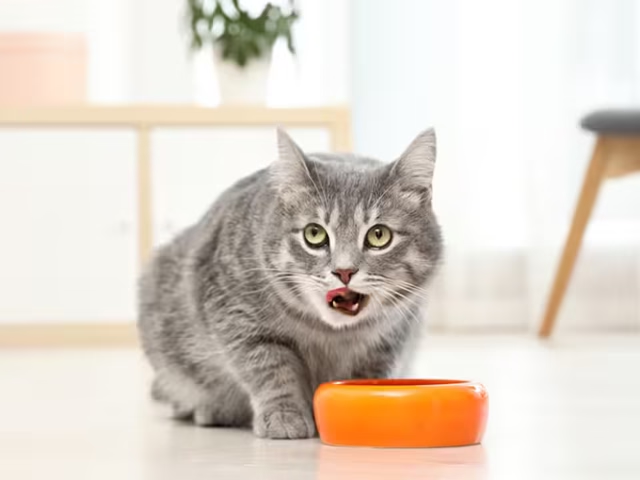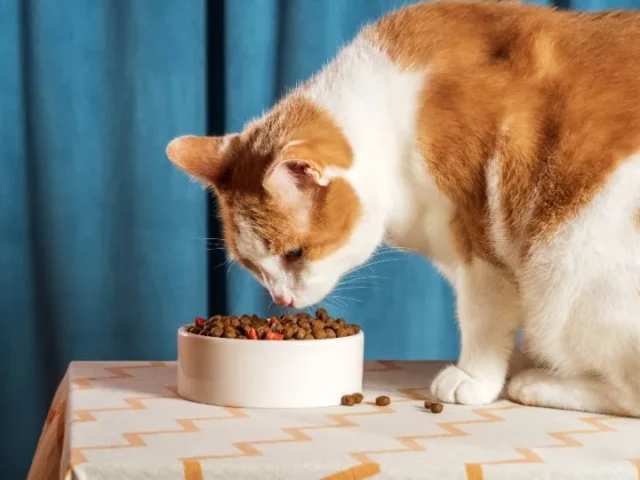


Your cat is, biologically speaking, a tiny tiger who has learned to sit on your laptop. That means a meat-based diet, and meat has an environmental footprint. So when you start looking for sustainable cat food, you quickly hit a wall of green leaves, recycling symbols & claims that are hard to compare. Which ones mean something? Is insect protein a clever fix or a gimmick? And can you shrink your cat’s pawprint without risking their health?
This guide cuts through the noise. We’ll look at what “sustainable” can reasonably mean, what to check on a pack, and how to make changes at a sensible pace, with your cat’s wellbeing firmly in first place.
Understanding Sustainable Cat Food: What Does It Actually Mean?
There is no single legal definition of “sustainable” on UK pet food. It’s a marketing word, & different brands use it to mean different things. Usually it points to one or more of these:
- Responsibly sourced ingredients, such as fish from certified fisheries or meat from higher-welfare farms.
- Lower-impact proteins, such as insects or other novel sources.
- Less waste, through using more of the animal or reducing food waste in production.
- Better packaging, meaning materials that can actually be recycled.
- Cleaner manufacturing, such as renewable energy or reduced emissions.
The honest truth is that the most sustainable food is one your cat will actually eat, that keeps them healthy, and that doesn’t end up in the bin. A planet-friendly recipe that your cat sniffs and walks away from is, ironically, a very wasteful purchase.
Why cats make this tricky
Cats are obligate carnivores. They need nutrients found naturally in animal tissue, including taurine, certain amino acids and vitamin A in a ready-to-use form. Unlike dogs, they can’t simply be nudged towards a mostly plant-based bowl. Any food you choose needs to be complete and balanced, which on a UK label means it should be formulated to meet recognised nutritional standards, commonly the FEDIAF guidelines used across Europe.
Where the environmental impact comes from
For most pet foods, the biggest share of the footprint comes from the ingredients themselves, particularly animal protein, which takes land, water and energy to produce. Packaging, transport and processing add to it, but usually less. That’s why “recyclable pouch” claims, while welcome, shouldn’t distract from the question of what’s actually inside.
Types of Sustainable Cat Food Worth Knowing About
Here’s the landscape as it stands. Product ranges change quickly, so always check the current label rather than relying on any article, including this one.
Responsibly sourced fish and meat
If your cat loves fish, look for ingredients from fisheries certified by schemes such as the Marine Stewardship Council (MSC). It doesn’t make a food perfect, but it’s a traceable standard rather than a vague promise. For meat, labels mentioning free-range or higher-welfare farming (for example Red Tractor or RSPCA Assured on UK-sourced ingredients) tell you something about the supply chain, though they speak to welfare and origin more than carbon.
Using a wider range of the animal is also part of the picture. Cats are perfectly happy with organ meats & other parts we tend to overlook, so foods made with them can reduce waste. Check that the ingredients are clearly named, such as “chicken” rather than a mysterious “meat and animal derivatives”.
Insect-based cat food
Insects such as black soldier fly larvae can be farmed with relatively little land and water, and they’re a source of protein. Insect-based pet food is permitted in the UK, & a small number of brands have experimented with it. The evidence for how well individual cats accept and thrive on it is still developing, and some cats simply refuse it. If you’re curious, try a small trial alongside your cat’s usual food and run the idea past your vet first, especially if your cat has allergies or a sensitive tummy.
Plant-based and vegan cat food
This is the most debated option, so let’s be careful. Cats can’t be treated like small, furry vegetarians. Some vegan cat foods are formulated with added synthetic nutrients to meet nutritional standards, but the long-term evidence is limited & veterinary opinion is divided. If you’re thinking about it, speak to a vet before changing anything, don’t DIY a plant-based diet, and arrange regular health checks. For many owners, a better first step is improving sourcing and packaging rather than removing meat altogether.
Wet, dry or both?
Dry food often has a lighter packaging footprint and stores easily, while wet food in cans or trays is usually more palatable & helps with hydration. Many cats do best on a mix, and your vet may have views based on your cat’s age, weight and health. From a sustainability angle, the key is buying what you’ll use and storing it so it stays fresh.
What UK Cat Owners Can Do: Practical Advice
Step-by-step: choosing and switching
- Check it’s complete. The label should say “complete” (not “complementary”), and ideally state that it meets nutritional guidelines for your cat’s life stage: kitten, adult or senior.
- Read the ingredients list. Look for clearly named proteins and be wary of fuzzy terms. Sustainability claims should be backed by something specific, such as a named certification or a stated packaging material.
- Look for evidence, not adjectives. “Eco”, “green” and “planet-friendly” mean little on their own. Brand websites that publish sourcing information or sustainability reports are a better sign.
- Check the packaging. Cans and aluminium trays are widely recyclable in the UK. Flexible pouches usually aren’t collected at the kerbside, though some brands run separate return schemes, so check your local council’s guidance.
- Ask your vet. Particularly if your cat is a kitten, pregnant, elderly, overweight or has a medical condition such as kidney disease.
- Switch gradually. Mix a little of the new food into the old, increasing over around 7 to 10 days. Cats can be dramatic about sudden menu changes, & digestive upsets are no fun for anyone.
- Watch and review. Keep an eye on appetite, energy, coat, litter tray habits and weight. If anything seems off, pause and call your vet.
Smaller habits that add up
- Buy sizes you’ll finish. Food waste is part of the footprint too.
- Store dry food in a cool, dry place, sealed, to keep it fresh.
- Cover opened wet food in the fridge and use it within the time on the label.
- Rinse and recycle cans and trays according to your local council.
- Keep your cat at a healthy weight. Overfeeding wastes food and harms your cat.
Common mistakes to avoid
- Taking green claims at face value. If a pack is vague, it’s fair to be sceptical.
- Going vegan or homemade without veterinary guidance. Nutrient gaps can build up quietly and cause serious problems.
- Switching overnight. It’s a recipe for tummy trouble and a very unimpressed cat.
- Chasing sustainability at the expense of quality. A food that doesn’t suit your cat is neither kind nor sustainable.
- Assuming dry food is always greener. Packaging is only part of the story; ingredients matter more.
Important Considerations for UK Pet Owners
Labelling and standards. UK pet food is regulated, and labels need to follow rules on ingredients and truthful claims, but terms like “sustainable” aren’t tightly defined. Industry bodies such as the Pet Food Manufacturers’ Association (PFMA) publish guidance, and trading standards can look into misleading claims.
Recycling varies by council. What gets collected in Manchester may not be collected in Margate. Check your local authority’s website before assuming a tray, pouch or lid goes in the recycling bin.
Prescription and veterinary diets. If your cat has a medical condition and eats a veterinary diet, don’t swap it for a more sustainable option without talking to your vet. Health comes first.
Cost. Sustainability-focused foods are sometimes priced higher, but not always, so compare per-day feeding costs rather than just the price on the pack. If budget is tight, small changes such as recycling packaging and avoiding waste still help.
Raw feeding. Raw diets carry hygiene risks for both pets and people, and they’re worth discussing with your vet rather than adopting purely for environmental reasons.
Frequently Asked Questions
Is sustainable cat food healthier for my cat?
Not automatically. Sustainable refers to environmental impact, while health depends on whether the food is complete and balanced for your cat’s age and needs. A good sustainable option should be both, but check the label and ask your vet if you’re unsure.
Is insect-based cat food safe?
Insect-based pet food is permitted in the UK, and well-formulated products should meet the same nutritional standards as other complete foods. Individual cats can react differently, though, and some are fussy. Introduce it gradually and check with your vet if your cat has allergies or health conditions.
Can cats be vegan?
It’s possible to formulate vegan cat food that meets nutritional standards using added nutrients, but the long-term evidence is limited and vets hold differing views. Cats are obligate carnivores, so this isn’t a diet to try casually. Speak to a vet first and arrange regular check-ups.
Is wet or dry food more sustainable?
There’s no simple winner. Packaging, ingredients, how much you waste and what suits your cat all play a role. Choose a food that’s nutritionally right for your cat, buy sensible quantities and recycle what you can.
Is cat food packaging recyclable in the UK?
Cans and aluminium trays are widely recyclable, while flexible pouches often aren’t collected kerbside. Some brands offer return or recycling schemes, and councils differ, so check local guidance.
How can I tell if a sustainability claim is genuine?
Look for specifics: named certifications, stated packaging materials, published sourcing information or sustainability reports. Be wary of vague wording with nothing to back it up.
Final Thoughts
Choosing sustainable cat food doesn’t mean being perfect. It means making informed choices: a complete & balanced diet first, then better sourcing, less waste & recyclable packaging where you can. Look past the leafy logos, ask for evidence, and make changes gradually.
If you’re considering anything unconventional, or your cat has health needs, your vet is the best person to ask. Your cat gets a good dinner, the planet gets a bit of a break, and you get to feel quietly smug on bin day.