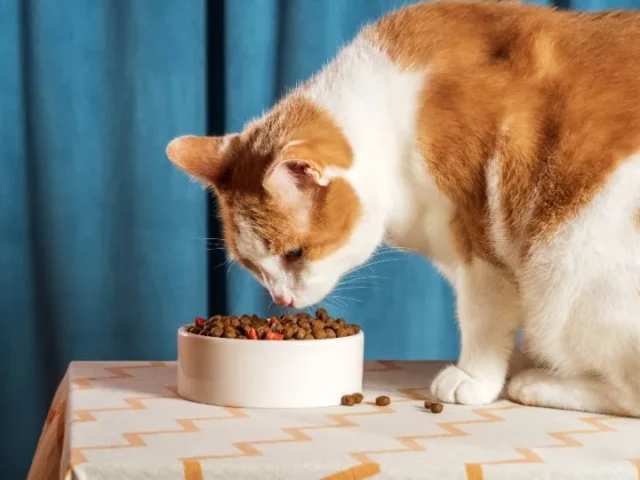

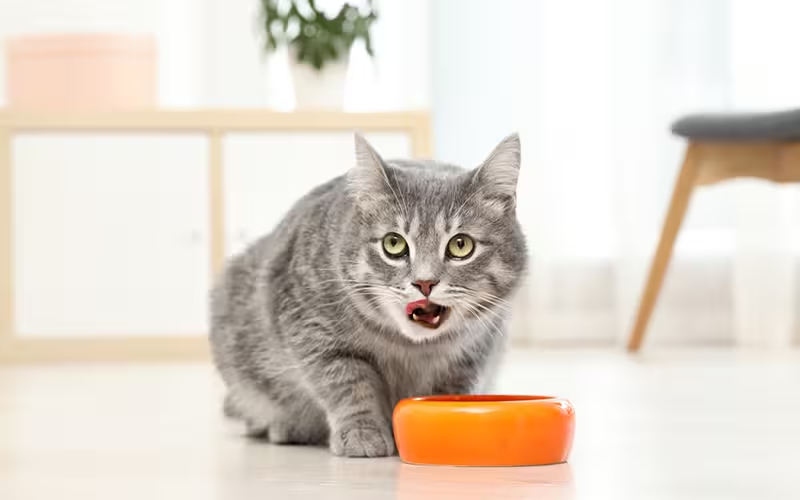
You’ve gone vegan, or you’re simply uneasy about what goes into the average pouch of cat food, and now you’re eyeing the vegan cat food on the shelf. Then you look at your cat, who is currently staring at a pigeon through the window with the focus of a tiny assassin, & wonder if this is wise.
It’s a fair question. Cats are not small dogs, and they certainly aren’t small people. This guide explains what cats actually need from their food, what the research does and doesn’t tell us, and what UK owners should do before changing anything. No lecture, no sales pitch, just the facts so you can decide with your vet.
Understanding Vegan Cat Food: What Is It and Why Is It Controversial?
Vegan cat food contains no meat, fish, dairy or eggs. Instead, protein comes from plant ingredients such as peas, soya, wheat or other sources, & the nutrients cats usually get from animal tissue are added in laboratory-made forms. A well-made recipe can, on paper, hit the same nutritional targets as a meat-based one.
The controversy comes from the word “cat”. Cats are obligate carnivores, meaning their bodies evolved to rely on nutrients found in animal tissue. They can’t make enough of certain things themselves, and their metabolism is much less forgiving of gaps than ours. A diet that’s poorly planned can cause trouble quietly, over months, before any obvious sign appears.
It’s worth saying that the argument isn’t really “plants versus meat”. It’s “does the food deliver every essential nutrient, in a form the cat can absorb, in every batch?” That’s a question about nutrition, not ethics.
What Cats Actually Need From Their Food
The nutrients that matter most
Cats need a long list of nutrients, but a few are famous for causing problems when missing:
- Taurine, an amino acid essential for heart health, eyesight and reproduction. Cats can’t make enough of it.
- Arginine, another amino acid, needed in a steady supply.
- Arachidonic acid, a fatty acid cats can’t produce efficiently.
- Vitamin A in its ready-made form, because cats can’t convert the beta-carotene in plants as we can.
- Vitamin D and certain B vitamins, which cats must get from food.
In vegan recipes these are usually added as synthetic supplements. Chemically they can be identical to the natural versions, which is why a properly formulated vegan food can be “complete” on paper.
Urinary health and body condition
Plant-heavy diets can make a cat’s urine less acidic, which may encourage certain urinary problems, so manufacturers typically adjust recipes to control this. Cats are also prone to urinary issues in general, so it’s something to watch with any diet. If you ever see straining in the litter tray, blood in the urine, or your cat going back and forth without result, treat it as urgent and call a vet straight away.
What does the research say?
Evidence on vegan cat diets is limited and still developing. Some owner surveys have reported that cats on plant-based diets did fine, and some even reported fewer health problems. But surveys rely on owners reporting what they notice, and people who choose vegan diets for their pets may differ in other ways from those who don’t, so these results can’t prove a diet is safe. Controlled, long-term studies are lacking. Veterinary opinion is mixed, with many vets cautious & a few more open, provided the diet is well formulated and monitored.
So the fair summary is: it may be possible, the evidence isn’t strong enough to call it proven, and the risks of getting it wrong fall on a cat who can’t tell you something’s off.
Practical Advice: What Owners Should Know
Step-by-step: if you’re seriously considering it
- Talk to your vet first. Book a proper appointment, tell them your reasons, and ask for an honest view of your own cat’s health. Cats with kidney disease, urinary problems, allergies or other conditions need individual advice.
- Get a baseline health check. A vet exam, and bloods if they recommend them, give a starting point to compare against later.
- Choose a complete food only. The label should say “complete” and state that it meets recognised nutritional standards, such as FEDIAF guidelines. Foods labelled “complementary” aren’t meant to be the whole diet.
- Look for transparency. Reputable manufacturers explain how recipes are formulated, who formulates them (ideally a qualified veterinary nutritionist) and how nutrient levels are tested. If it’s vague, be wary.
- Transition slowly. Mix a little of the new food with the old over a couple of weeks or longer, watching your cat’s appetite, energy, coat and litter tray habits.
- Monitor regularly. Ask your vet how often to review your cat, and keep an eye on weight and body condition at home.
- Be ready to switch back. If your cat stops eating, loses weight, becomes lethargic or seems unwell in any way, speak to your vet and don’t wait it out.
Common mistakes to avoid
- Home-made vegan recipes. Balancing a cat’s nutrients at home is extremely difficult, and online recipes aren’t a safe shortcut.
- Using dog or human vegan food. Dog food isn’t formulated for cats, and our food certainly isn’t.
- Switching overnight. Cats can refuse new food or get an upset stomach, and a cat that stops eating for a couple of days is a vet matter, not a stubbornness matter.
- Skipping check-ups. A cat can look perfectly well while a deficiency builds.
- Feeding it to kittens, pregnant or ill cats without specialist advice. Their needs are higher or more complicated.
- Assuming “natural” or “eco” means complete. Marketing words aren’t nutritional guarantees.
Important Considerations for UK Pet Owners

The law. Under the Animal Welfare Act 2006, owners have a duty to provide a suitable diet. That’s the legal backbone of your responsibility, & it applies whichever food you choose. If you’re unsure, a vet can help you meet it.
Labels and standards. UK pet food is regulated for labelling and safety, and the “complete” claim is the thing to check. Vegan foods sold here fall under the same rules as other pet foods. A “vegan” label tells you what’s left out, not whether the food is nutritionally adequate.
Availability. A small number of brands sell vegan cat food in the UK, mostly online and in some specialist shops. Ranges change, so check the current label and manufacturer information rather than relying on any list, including this one.
Cost. Prices vary a lot, so compare the cost per day of feeding rather than the price on the pack, & don’t assume vegan is cheaper or dearer.
Insurance. If your cat is insured, it’s sensible to check with your insurer whether a diet change affects anything, especially if a vet later links a health issue to diet.
Middle ground. If your main concern is the environment or animal welfare, you can reduce impact with certified fish, higher-welfare meat or less wastage without removing meat altogether.
Frequently Asked Questions
Is vegan cat food safe?
It can be, if it’s a complete, properly formulated product fed with veterinary monitoring. But long-term evidence is limited, and a poorly balanced diet can cause serious harm. Talk to your vet before changing your cat’s food.
Can cats survive without meat?
Cats need specific nutrients that are naturally found in animal tissue. Vegan foods add these in synthetic form. Whether that supports long-term health in every cat is still being studied, so it’s best treated as something to do under veterinary supervision.
Is vegan cat food nutritionally complete?
Some products state they are complete and meet recognised standards. Check the label for the word “complete” and for a nutritional adequacy statement, and look for information about how the recipe was formulated and tested.
Can kittens eat vegan food?
Kittens have high nutritional demands during growth, so most vets would urge great caution. Don’t make this change without specialist veterinary advice.
What signs suggest a diet isn’t suiting my cat?
Watch for weight loss, a dull coat, low energy, reduced appetite, vomiting, diarrhoea or changes in the litter tray. These can have many causes, so don’t try to diagnose at home. See a vet promptly.
Is vegan cat food better for the environment?
Plant-based ingredients generally have a lower environmental footprint than animal ones, but the full picture depends on the ingredients, manufacturing and packaging. The benefit has to be weighed against your cat’s health, which comes first.
Final Thoughts
Vegan cat food isn’t a villain and it isn’t a miracle. It’s a option that some owners explore, with limited evidence and real stakes, because the person eating the dinner can’t speak up if something’s missing.
If you want to try it, go in with your eyes open involve your vet, choose a complete food from a transparent manufacturer, move slowly and keep checking in. & if your cat turns up their nose, or your vet isn’t convinced, there are other ways to feed more responsibly without cutting meat out altogether.