

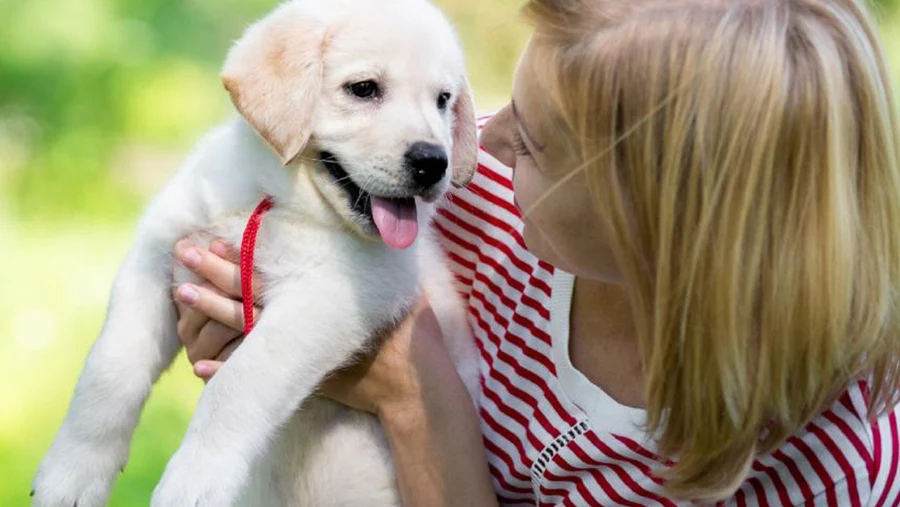
Puppy Care Package: What Should You Include?
A puppy care package is a collection of essentials to help a puppy settle into their new home. You can put one together yourself or look for a suitable package from a pet shop, breeder or rescue organisation. The contents matter more than fancy packaging. Start with the basics and add items that suit your puppy’s age, size and needs.
Puppy Care Package Checklist
New puppy checklist
1. Complete puppy food and feeding instructions.
2. Food and water bowls.
3. Comfortable bed or familiar blanket.
4. Collar, ID tag, lead and suitable harness.
5. Safe toys and puppy-appropriate chews.
6. Brush or comb for their coat.
7. Poo bags and cleaning supplies.
8. Health, vaccination and microchip records.
9. Vet contact details and insurance information.
Reset checklist
Avoid including treats, chews or toys that are unsuitable for your puppy’s size or could pose a choking risk. If the package includes food, check that it is appropriate for puppies and that any change from their current diet is made gradually.
Choosing a Puppy Care Veterinary Partner
A puppy care veterinary partner is the veterinary practice you rely on for routine care, preventive treatment and advice as your dog grows. Ideally, find a practice before you bring your puppy home, so you know where to turn when questions arise.
Look for a practice that:
- Is convenient for your home and has clear appointment arrangements.
- Explains vaccination and parasite-prevention plans clearly.
- Can advise on feeding, growth, behaviour and exercise.
- Provides information about out-of-hours or emergency care.
- Helps you understand treatment options and likely costs before proceeding.
Ask whether the practice offers a puppy health plan or preventive-care package. Some veterinary practices offer schemes that spread the cost of routine services, but what is included varies. Check whether vaccinations, consultations, parasite treatments and other services are included, and read the terms carefully. A health plan is not necessarily pet insurance. Ask what happens if your puppy develops an illness or needs emergency treatment, and consider suitable insurance separately. Most importantly, you should feel comfortable asking questions. There is no silly question when you’re learning to care for a puppy.
Practical Puppy Care: A Simple Daily Routine
A routine gives your puppy opportunities to eat, play, learn, toilet and rest. It does not need to run like a military operation. Think of it as a flexible rhythm.
Step-by-Step Guidance
- Start with a toilet break. Take your puppy to their usual toilet spot when they wake up.
- Serve breakfast. Follow the feeding guidance for their age, size and food.
- Add a little training. Practise their name, recall or settling for a few minutes.
- Make time for play. Use suitable toys and gentle games, with breaks when your puppy gets tired.
- Offer regular toilet breaks. Especially after meals, naps and energetic play.
- Build in quiet time. Let your puppy sleep somewhere safe and comfortable.
- Repeat the routine. Keep meals, toilet opportunities and bedtime reasonably consistent.
Adapt the routine to your puppy. Very young puppies need frequent toilet breaks, and some will need overnight trips outside at first.
Common Puppy Care Mistakes to Avoid
Doing too much too soon: New people, places, play and training can be overwhelming. Introduce experiences gradually and allow plenty of rest. Changing food suddenly: A rapid diet change can upset your puppy’s stomach. Transition gradually unless your vet advises otherwise. Using punishment for accidents: Scolding can make toilet training more stressful. Reward the behaviour you want and clean accidents without fuss. Over-exercising: Long walks and high-impact games are not suitable for every growing puppy. Build activity around their development and your vet’s advice. Skipping preventive care: Keep track of vaccinations, parasite prevention and health checks. Ask your vet when each treatment is due. Leaving them alone for too long: Help your puppy learn to be comfortable alone by starting with very short periods and building up gradually. If they become distressed, slow down and seek advice if needed. Expecting instant perfection: Puppies are learning constantly, but progress is rarely a straight line. Patience and consistency go a long way.
Important Considerations for UK Puppy Owners
Microchipping and Identification
Dogs in the UK must be microchipped and registered on a compliant database, with the keeper’s details kept up to date. The usual deadline is by eight weeks of age, subject to applicable exemptions. Check your puppy’s records and ensure the details are transferred or updated when they come home with you. Dogs must also wear a collar and identification tag in public.
Vaccinations and Safe Socialisation
Your puppy’s vaccination schedule should be set with your vet. Until they are adequately protected, ask which environments and dog interactions are safe. You can still introduce your puppy to everyday sights and sounds in careful ways, such as carrying them outside or welcoming visitors at home. Avoid assuming every puppy is ready for the same activities on the same date. Your vet can take local disease risks and your puppy’s medical history into account.
Pet Insurance and Budgeting
Puppies need more than food and toys. Plan for routine veterinary care, preventive treatments, training, grooming and unexpected illness or injury. Compare pet insurance policies carefully. Check the excess, exclusions, waiting periods, cover limits and whether pre-existing conditions are excluded. A lower premium does not necessarily mean a policy will meet your needs.
Finding Responsible Puppy Advice
Choose information from recognised animal welfare organisations and qualified veterinary professionals. The RSPCA and PDSA offer practical puppy-care guidance, while your own vet can tailor advice to your puppy. Be cautious with social media tips that promise a quick fix or recommend unverified remedies. What worked for one dog may not be safe or suitable for another.
Read Also: Best Pet Insuranceinthe
Read Also: Best Pet Insurance in the UK
Final Thoughts
Good puppy-care is built from small, consistent actions: feeding well, making time for sleep, rewarding good habits and helping your puppy feel safe as they discover the world. A week-by-week plan can give you structure, but your puppy’s individual needs should guide the pace. Prepare a practical puppy care package, register with a trusted veterinary practice and keep their health records organised. With patience, sensible routines and professional advice when needed, you’ll give your puppy a strong start to life—and make those messy, funny first months a little easier for everyone.
Key takeaways
- * Start with a routine: Set regular times for meals, toilet breaks, play, training and sleep to help your puppy settle in.
- * Feed the right food: Choose complete puppy food suited to your dog’s age and expected adult size. Make any food changes gradually.
- * Prioritise sleep and rest: Puppies need plenty of sleep and a quiet, comfortable place to relax.
- * Start toilet training early: Take your puppy out after waking, eating and playing. Reward success and handle accidents calmly.
- * Socialise safely: Introduce your puppy to people, sounds and new experiences gradually. Ask your vet how to socialise them safely before vaccinations are complete.
- * Arrange veterinary care: Register with a trusted vet to plan vaccinations, parasite prevention, health checks and feeding advice.
- * Prepare a puppy care package: Include food, bowls, bedding, a lead, ID tag, safe toys, grooming supplies and health records.
- * Exercise appropriately: Choose gentle, age-appropriate activity and avoid over-exercising your growing puppy.
- * Keep identification up to date: Check your puppy’s microchip registration details and follow the dog identification rules that apply in your part of the UK.
- * Consider insurance and costs: Budget for routine care and unexpected vet bills. Check policy exclusions, excesses and cover limits before choosing insurance.
- * Be patient with training: Use positive reinforcement, short sessions and consistent boundaries. Every puppy learns at a different pace.
- * Know when to call the vet: Contact your vet if your puppy seems unwell, is in pain or develops concerning symptoms. Seek urgent help for serious signs such as difficulty breathing or collapse.
Frequently asked questions
The essentials are appropriate food and fresh water, a safe home, sufficient sleep, positive training, suitable exercise and veterinary care. Consistency and patience help your puppy learn what to expect.
It depends on your puppy’s age, size, food and individual needs. Follow the feeding instructions on their food and ask your vet how to divide their daily allowance into meals. Young puppies generally need more frequent meals than adult dogs.
Your vet should confirm when your puppy is sufficiently protected by their vaccinations to walk in public. Until then, you can ask about safe ways to introduce them to the outside world without exposing them to unnecessary infection risks.
Include suitable puppy food, bowls, a bed or blanket, a lead and identification, safe toys, grooming supplies, cleaning essentials and your puppy’s health records. Choose items that fit their size and stage of development.
Look for a convenient, reputable veterinary practice that explains preventive care clearly, answers your questions and provides access to emergency advice. Ask about puppy health plans, what they cover and how they differ from insurance.
There is no fixed number of hours. Puppies need frequent toilet breaks, meals, supervision, training, play and rest throughout the day. They also need gradual practice being alone. Plan for regular care rather than expecting a puppy to fit immediately around a busy schedule.