
7 Essential Tips for Responsible Pitbull Ownership
Pitbulls are among the most misunderstood dog breeds. Often portrayed as intimidating or aggressive, these strong, energetic dogs can also be affectionate, loyal, and devoted companions. Like any dog, their behavior is influenced by genetics, early experiences, training, socialization, health, and the environment in which they live.
Responsible Pitbull ownership starts with understanding your dog’s individual temperament, providing consistent training, and creating a safe environment for everyone.
Whether you are bringing home your first Pitbull puppy or caring for an adult dog, developing good habits can help build a positive relationship between you and your pet.
Pitbull is a general term commonly used for several related bully-type dogs and mixes, rather than one single standardized breed. Although individual dogs differ in temperament and behavior, their strength and energy levels make responsible handling particularly important.
If you want to learn how to care for a Pitbull, the following seven tips cover essential aspects of training, exercise, socialization, and everyday safety.
1. Keep Your Pitbull on a Leash in Public
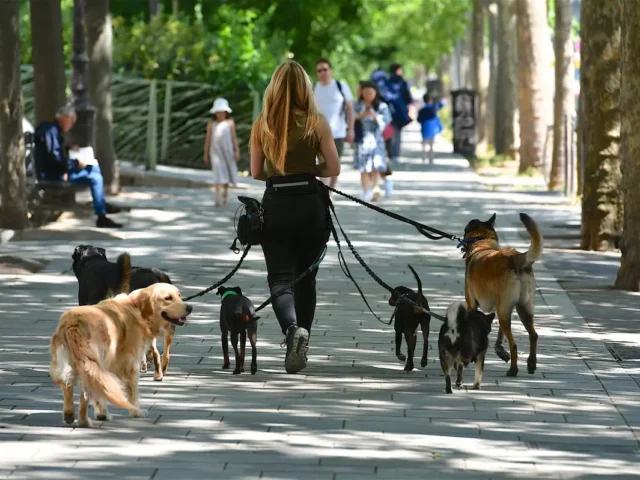
Leash training is one of the most important parts of responsible Pitbull ownership. A sturdy, properly fitted leash and a secure collar or harness give you greater control when walking your dog through streets, parks, and other public spaces.
Pitbull-type dogs are often muscular and energetic. Even a friendly dog can become excited by another animal, a passing cyclist, or an unexpected noise. Without a leash, it may be difficult to prevent sudden movements or unsafe encounters.
To encourage safe walking habits:
- Choose a strong, comfortable leash and a well-fitted collar or harness.
- Teach your dog to walk without pulling and to respond to basic commands.
- Reward calm behavior around people, bicycles, and other dogs.
- Keep your dog at a comfortable distance from unfamiliar animals.
- Use secure fencing and supervise your dog whenever it is outside.
Avoid assuming that your dog will always respond reliably when distracted. A leash provides an additional layer of safety while helping you guide your Pitbull through unfamiliar situations.
Always follow local leash requirements and any applicable breed-specific regulations. Off-leash exercise should take place only in permitted, securely enclosed areas where it is appropriate for your dog’s temperament and behavior.
2. Discuss Spaying or Neutering With Your Veterinarian
Spaying and neutering are important considerations for responsible dog ownership, especially if you do not intend to breed your Pitbull.
Spaying is the surgical sterilization of a female dog, while neutering generally refers to the surgical sterilization of a male dog. These procedures prevent reproduction and may offer certain health or behavioral benefits, depending on the individual animal.
However, spaying or neutering does not automatically eliminate aggression or guarantee that a dog will become calmer. Behavior is influenced by many factors, including genetics, training, social experiences, fear, and health.
The appropriate timing also depends on your dog’s age, sex, size, health, and individual circumstances. Rather than automatically scheduling the procedure at six months, discuss the potential benefits, risks, and timing with your veterinarian.
Responsible reproductive care also includes preventing accidental mating, arranging appropriate veterinary checkups, and ensuring that your dog receives proper nutrition and preventive healthcare.
3. Socialize Your Pitbull Safely and Gradually
Early, positive socialization can help Pitbull puppies become more comfortable with different people, environments, sounds, and everyday experiences. Adult dogs can also benefit from carefully managed opportunities to learn and build confidence.
Socialization does not mean allowing your dog to interact with every animal it encounters. The goal is to help your Pitbull remain calm and respond appropriately in different situations.
Consider introducing your dog to:
- People of different ages in calm, controlled settings.
- Common household sounds and everyday environments.
- Veterinary visits and gentle handling.
- Well-mannered, compatible dogs when both animals are comfortable.
- Reward-based training classes led by a qualified professional.
Dog parks are not suitable for every dog. Busy off-leash environments can be unpredictable, and some dogs find close contact with unfamiliar animals stressful. If your Pitbull becomes tense, fixates on another dog, growls, or repeatedly tries to move away, give it space rather than forcing an interaction.
Watch your dog’s body language and allow it to approach new experiences at a comfortable pace. Reward calm behavior and end interactions before either animal becomes overwhelmed.
If your dog has a history of aggression, seek help from a qualified canine behavior professional who uses humane, evidence-informed methods.
4. Supervise Every Interaction Between Your Pitbull and Children
Teaching children and dogs to interact safely is essential for every family, regardless of the dog’s breed.
Even a familiar, affectionate dog may react unexpectedly when frightened, startled, uncomfortable, or in pain. Young children may also have difficulty recognizing when a dog needs space.
For safer interactions:
- Actively supervise children whenever they are near your dog.
- Teach children not to pull ears or tails, climb on dogs, or disturb them while eating or sleeping.
- Give your Pitbull a quiet retreat where it can rest without interruption.
- Keep children away when the dog is guarding food, toys, or other valued items.
- Teach children to ask an adult before approaching or touching an unfamiliar dog.
Supervision means staying close enough to intervene immediately, not simply watching from another room. Babies and young children should never be left alone with a dog.
Learn to recognize signs of discomfort, such as turning away, repeated lip licking, a stiff posture, a tucked tail, or attempts to retreat. These signals mean the interaction should stop and the dog should be given space.
A safe household depends on clear boundaries, respectful handling, and consistent supervision.
5. Provide Daily Exercise and Mental Stimulation
Pitbull-type dogs often have substantial energy and benefit from regular physical activity. Their exercise needs vary according to age, health, fitness, and temperament, so there is no single routine that suits every dog.
A combination of walks, training, play, and enrichment can help your Pitbull stay engaged and support its overall well-being.
Useful activities include:
- Daily walks appropriate to your dog’s age and fitness.
- Short obedience-training sessions.
- Supervised games with suitable toys.
- Scent games and food puzzles.
- Reward-based activities that encourage problem-solving.
- Age-appropriate play in a secure environment.
Some healthy adult dogs may enjoy an hour or more of activity spread throughout the day, while puppies, older dogs, and dogs with medical conditions may need shorter or gentler sessions. Ask your veterinarian for guidance if you are uncertain about an appropriate exercise level.
Mental stimulation matters, too. Teaching new cues, practicing recall in safe environments, and using enrichment toys can help keep your dog occupied.
Avoid strenuous activity in excessive heat, provide access to fresh water, and allow adequate rest. Regular exercise supports well-being, but it should not be treated as a guaranteed solution for aggression or other behavioral problems.
6. Understand and Follow Local Dog Laws
Responsible Pitbull owners should understand the rules that apply to dog ownership in their area. Depending on your location, these may include leash requirements, registration, vaccination, containment, and regulations concerning particular dog types.
Some jurisdictions also have breed-specific restrictions. Rules can differ between countries, states, cities, and even individual residential communities.
Before taking your Pitbull to a public park, traveling with your dog, or moving to a new home, check the relevant local requirements.
Good ownership practices include:
- Keeping identification tags and microchip details up to date, where applicable.
- Maintaining required vaccinations and veterinary records.
- Using a leash in public wherever required.
- Ensuring gates, fences, and outdoor enclosures are secure.
- Cleaning up after your dog.
- Preventing your dog from roaming unsupervised.
Following local regulations helps protect your dog, other animals, and the wider community. It also helps you avoid preventable legal problems.
7. Recognize Dog-Directed Aggression and Manage Triggers
Some Pitbull-type dogs may display dog-directed aggression, while others coexist comfortably with selected dogs. Behavior varies considerably between individuals, and it is important not to assume that every dog will react in the same way.
A dog’s response may be influenced by genetics, previous experiences, fear, frustration, pain, resource guarding, or the circumstances of an encounter.
Responsible owners learn to identify their dog’s triggers and take practical steps to prevent unsafe situations.
For example:
- Maintain a safe distance from dogs that make your Pitbull uncomfortable.
- Avoid forced greetings with unfamiliar animals.
- Use secure equipment and maintain control during walks.
- Reward calm behavior when your dog notices another animal.
- Choose quieter walking routes when crowded areas are difficult.
- Separate dogs safely if tension develops, without putting yourself between fighting animals.
If your dog repeatedly lunges, snaps, growls, or fixates intensely on other dogs, consult a veterinarian to rule out health-related causes and seek assistance from a qualified behavior professional.
Do not punish warning signals or rely on intimidation-based training. Humane, reward-based methods can help you teach alternative behaviors while reducing unnecessary stress.
The goal is not to force every Pitbull to become friendly with every dog. It is to understand your individual pet, manage its environment, and prevent situations that could lead to injury.
Additional Advice for First-Time Pitbull Owners
Bringing home a Pitbull for the first time can feel challenging, particularly if you are unfamiliar with the dog’s needs. A predictable routine, consistent boundaries, and professional guidance can make the transition easier.
Start with these practical steps:
Establish a routine. Set consistent times for meals, walks, training, play, and rest.
Teach basic obedience. Focus on name recognition, recall, sit, stay, leave it, and loose-leash walking. Practice in low-distraction settings before gradually increasing difficulty.
Use positive reinforcement. Reward desirable behavior with treats, toys, praise, or other rewards your dog enjoys.
Schedule regular veterinary care. Discuss vaccinations, parasite prevention, dental care, nutrition, reproductive health, and exercise needs with your veterinarian.
Provide a safe environment. Secure gates, store hazardous household items out of reach, and give your dog a comfortable resting area.
Choose appropriate equipment. Select a properly fitted harness or collar, a reliable leash, and suitable enrichment toys.
Get help early when needed. If your dog shows persistent fear, guarding, or aggressive behavior, seek qualified professional guidance rather than waiting for the problem to escalate.
Above all, remember that training takes time. Every dog learns at a different pace, and steady progress is more valuable than expecting immediate perfection.
Final Thoughts on Responsible Pitbull Ownership
Responsible Pitbull ownership is about more than teaching commands or providing exercise. It means understanding your dog’s individual needs, recognizing potential risks, respecting its boundaries, and taking consistent steps to keep people and animals safe.
Leash training, positive socialization, appropriate exercise, veterinary care, child supervision, and responsible behavior management all contribute to a healthier relationship with your pet.
Pitbulls can be affectionate and rewarding companions, but no dog should be assumed to be completely safe in every situation. By combining patience, humane training, realistic expectations, and responsible supervision, you can give your Pitbull the best opportunity to thrive as a well-managed family companion.
Key takeaways
- Responsible Pitbull ownership starts with training: Use consistent, positive reinforcement to encourage good behavior.
- Keep your Pitbull secure: Use a leash in public, secure fencing, and appropriate equipment.
- Prioritize safe socialization: Introduce your dog to people, animals, and new environments gradually.
- Supervise children and dogs: Teach children to respect a dog's boundaries and never leave young children alone with a dog.
- Provide daily exercise: Combine walks, playtime, and mental enrichment according to your dog's needs.
- Maintain regular veterinary care: Discuss vaccinations, nutrition, preventive care, and spaying or neutering with your veterinarian.
- Understand your dog's behavior: Recognize stress signals, manage triggers, and seek professional help when needed.
Frequently asked questions
Pitbull-type dogs are not all the same. Their behavior reflects a combination of inherited traits, individual temperament, social experiences, training, health, and environment. Responsible handling is important because any dog can cause injury, particularly when it is strong or difficult to control.
Begin at a distance where your dog can remain relaxed and respond to you. Reward calm attention, avoid forced greetings, and gradually introduce suitable experiences. If your dog displays persistent aggression or intense reactivity, work with a qualified canine behavior professional.
Exercise needs depend on age, health, fitness, and temperament. Many healthy adult Pitbull-type dogs benefit from daily walks, play, and mental enrichment. Ask your veterinarian to help determine an appropriate routine for your individual dog.
Pitbulls, like other dogs, should be introduced to children carefully. All interactions between dogs and young children require active adult supervision. Children should be taught to respect a dog's boundaries and never disturb it while eating or resting.
No. Spaying and neutering prevent reproduction and can provide certain health benefits, but they do not reliably eliminate aggression. Consult a veterinarian about reproductive health and seek qualified behavioral support when needed.
Dog parks are not appropriate for every dog. Consider your dog's social history, behavior, and comfort around unfamiliar animals. Controlled introductions and secure, carefully selected play environments may be better options for dogs that find crowded parks stressful.